|
Britain 1998: A three-week trip to Britain but only a couple of days in Wales. On this trip we experienced different parts of Britain. Adventures in the Lake District, Northumberland, and Scotland, with a final few days in London. New castles in Wales, beautiful hikes in the Lake District, Roman sites in Northumbria, two real castle hotels, and lots and lots of castles in Scotland. Instead of writing a full-blown essay, I've decided to create a photo-essay using more photographs accompanied by just a few comments regarding each site or activity. In other words, this is more like a photo album with comments.
Places Visited:
Part I: South Wales → Caerleon: Roman Fortress & Ampitheatre → Penyclawdd Court & Castle → Llanthony Priory → Hay Castle → Bronllys Castle
Crickhowell Castle → Abergavenny Castle → Skenfrith & White Castles w/historian Richard Williams → Brecon Castle → Longtown Castle
Cilmeri: Llywelyn ap Gruffydd Memorial → Goodrich Castle → Pembridge Castle → Monmouth Castle → Usk Castle → Hereford Cathedral
Part II: The Lake District → Grasmere → Oak Bank Hotel → Hike to Alcock Tarn → Hike to Easedale Tarn → Keswick: Castlerigg Stone Circle
Part III: Northumberland → Raby Castle → Langley Castle Hotel → Hexham Abbey → Durham Cathedral → Hadrian's Wall Hike: Wallstown Crags
Hadrian's Wall Hike: Cawfields section → Vindolanda Roma Fort → Part IV: Scotland, The Highlands → Polmaily House Hotel → Loch Ness
Urquhart Castle → Stuart Castle → Corgarff Castle → Caledonian Canal, Dochgarroch Locks → Cawdor Castle → Brodie Castle → Balvenie Castle
Kildrummy Castle → Auchindoun Tower House → Glenbuchat Castle → Eilean Donon Castle → Isle of Skye → Dunvegan Castle → Huntley Castle
Fyvie Castle → Blair Castle → Glamis Castle → Part V: Scotland, Stirling → Culcreuch Castle Hotel → Stirling Castle → Castle Campbell
Doune Castle → Edinburgh Castle → The Royal Mile → Palace of Holyrood House → Holyrood Abbey → Village of Balquhidder (Rob Roy)
Kilchurn Castle → Oban → Dunstaffnage Castle → Part IV: London → The Goring Hotel → Buckingham Palace → St James Park
Kensington Palace → Picadilly → Plays: Phantom of the Opera (Her Majesty's) → Complete Works of Shakespeare (Criterion) → Hyde Park

Part III: Northumberland & Hadrian's Wall
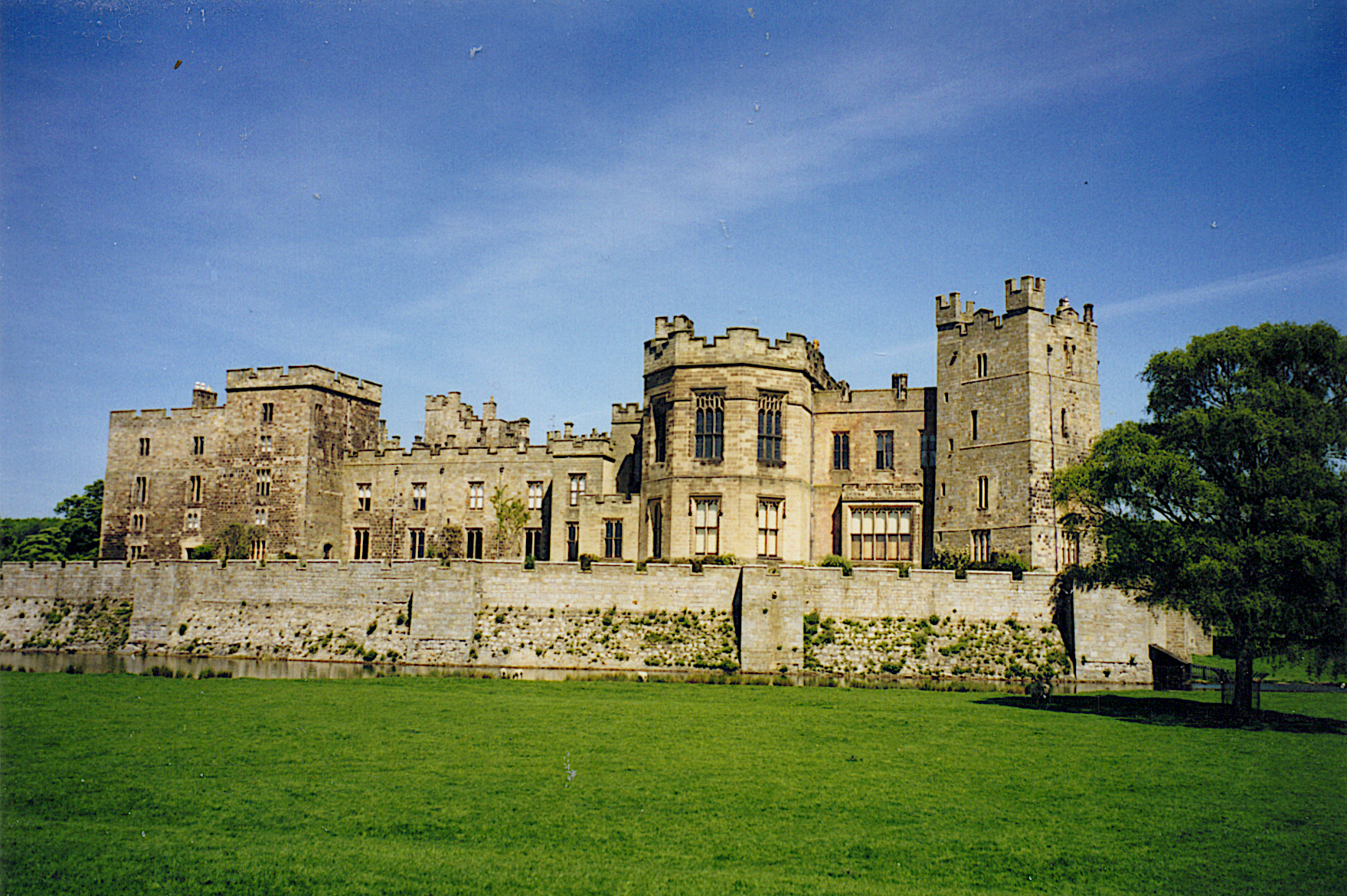
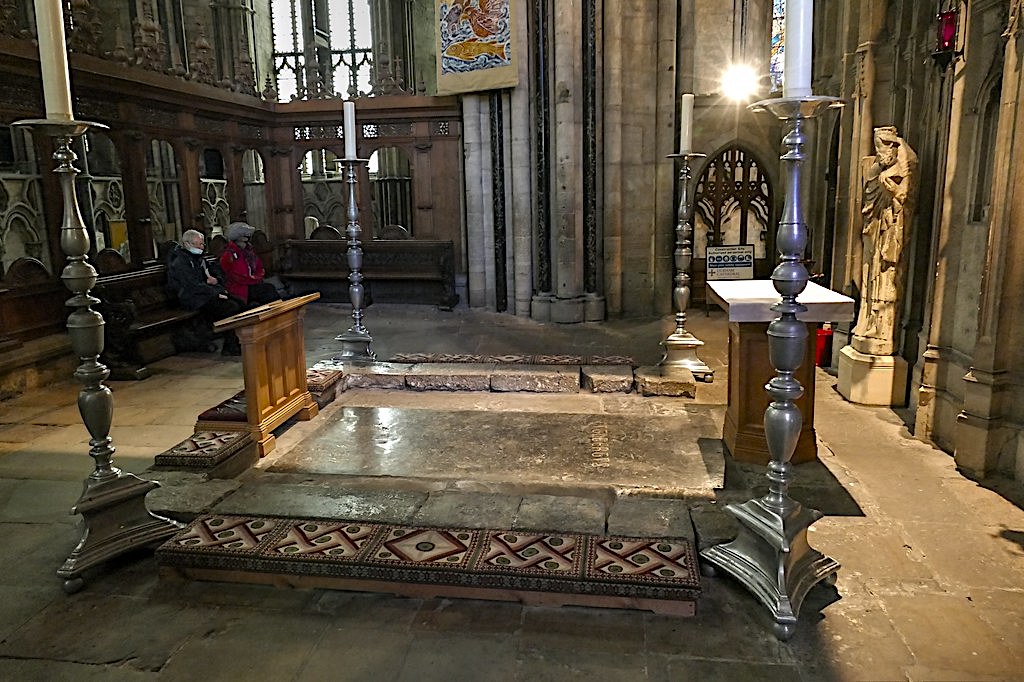
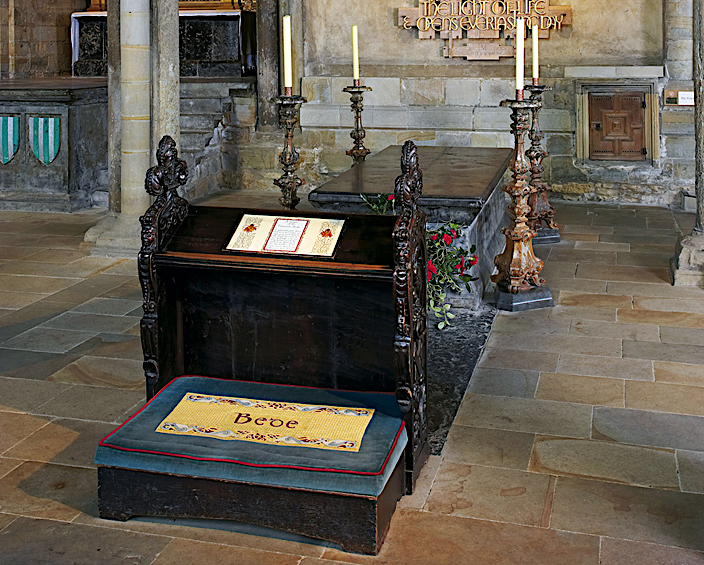
| We were spending part of our holiday in Northumberland for the same reason we visited The Lake District, hiking. We had seen Hadrian's Wall on a previous trip and I wanted to return and stay in the area so we could hike portions of the historic Roman wall that are less popular with tourists (aka Housesteads). Also on our list of activities here were Durham Cathedral and Hexam Abbey. Driving from the Lake District we stopped first at Raby Castle, principal seat of the Powerful Neville family, the medieval Earls of Westmoreland. We had visited here in 1994 on a cloudy, rainy day. Afterwards we visited the city of Durham and toured the cathedral. The cathedral contains the shrines and tombs of St Cuthbert and the Venerable Bede, the later being an important historian of Anglo-Saxon Britain. We also visited the tomb of a member of the Neville family which dates to the 14th century. After visiting the cathedral we enjoyed a pub lunch in the city center. |
Raby Castle, near Staindrop, County Durham
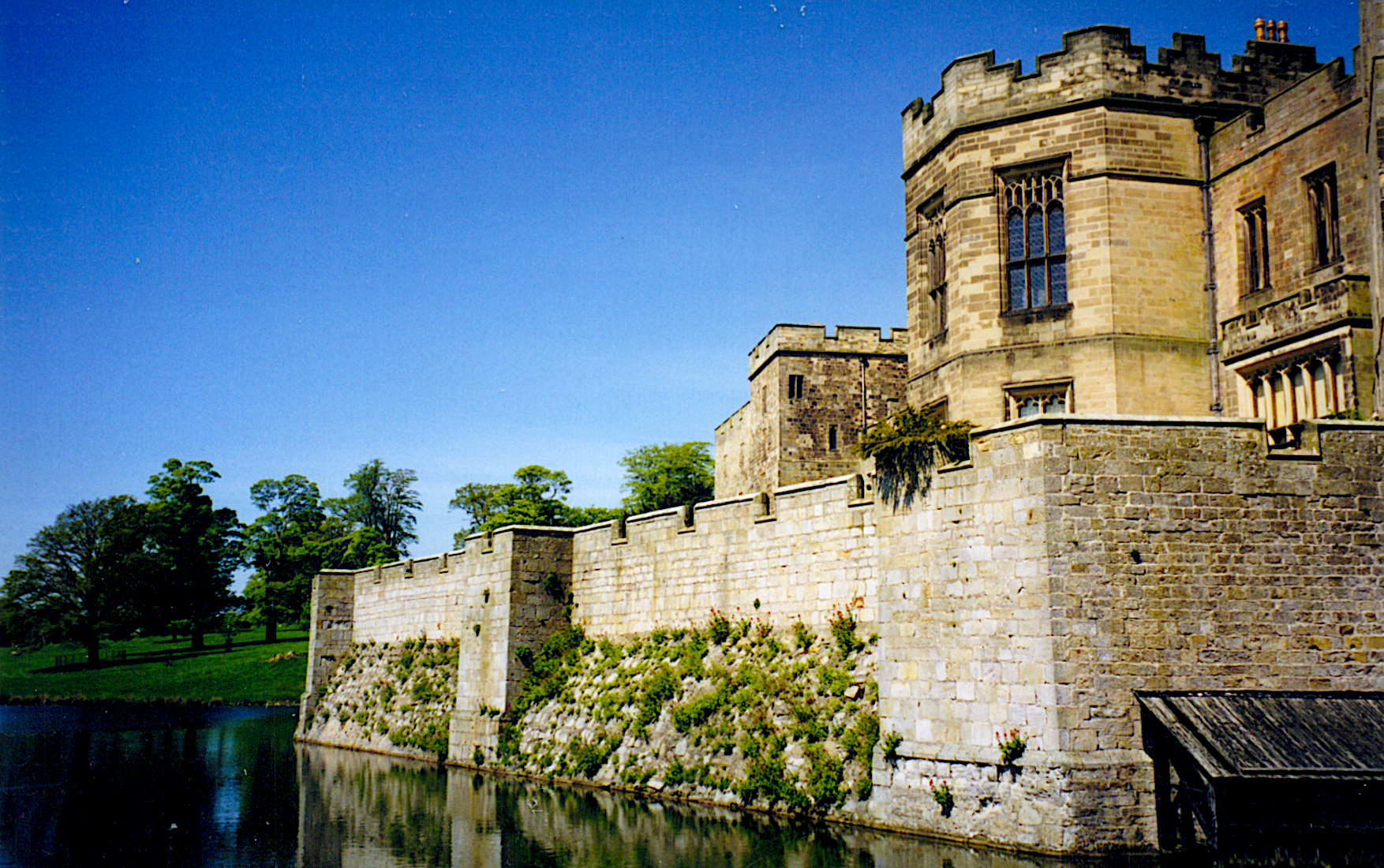
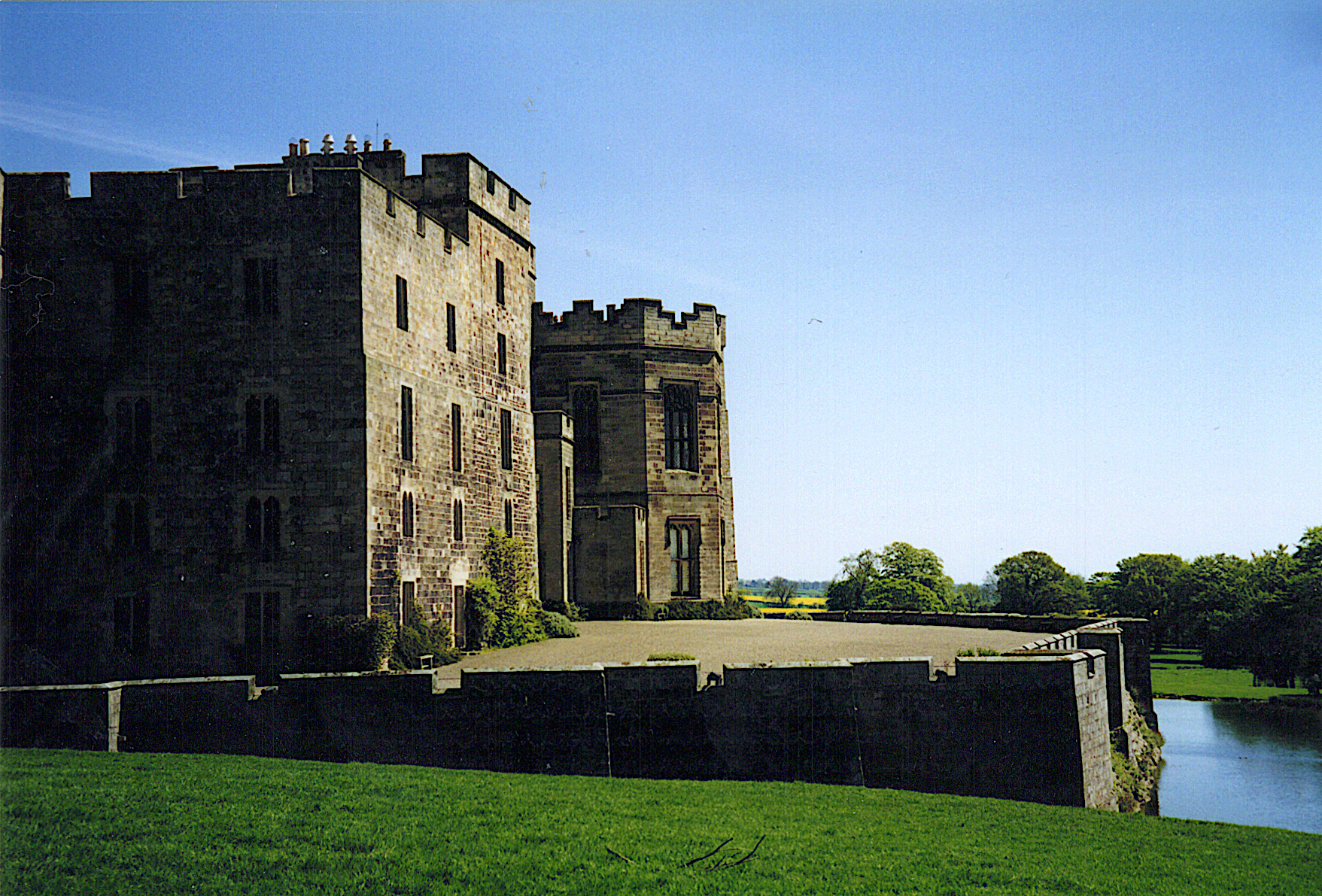
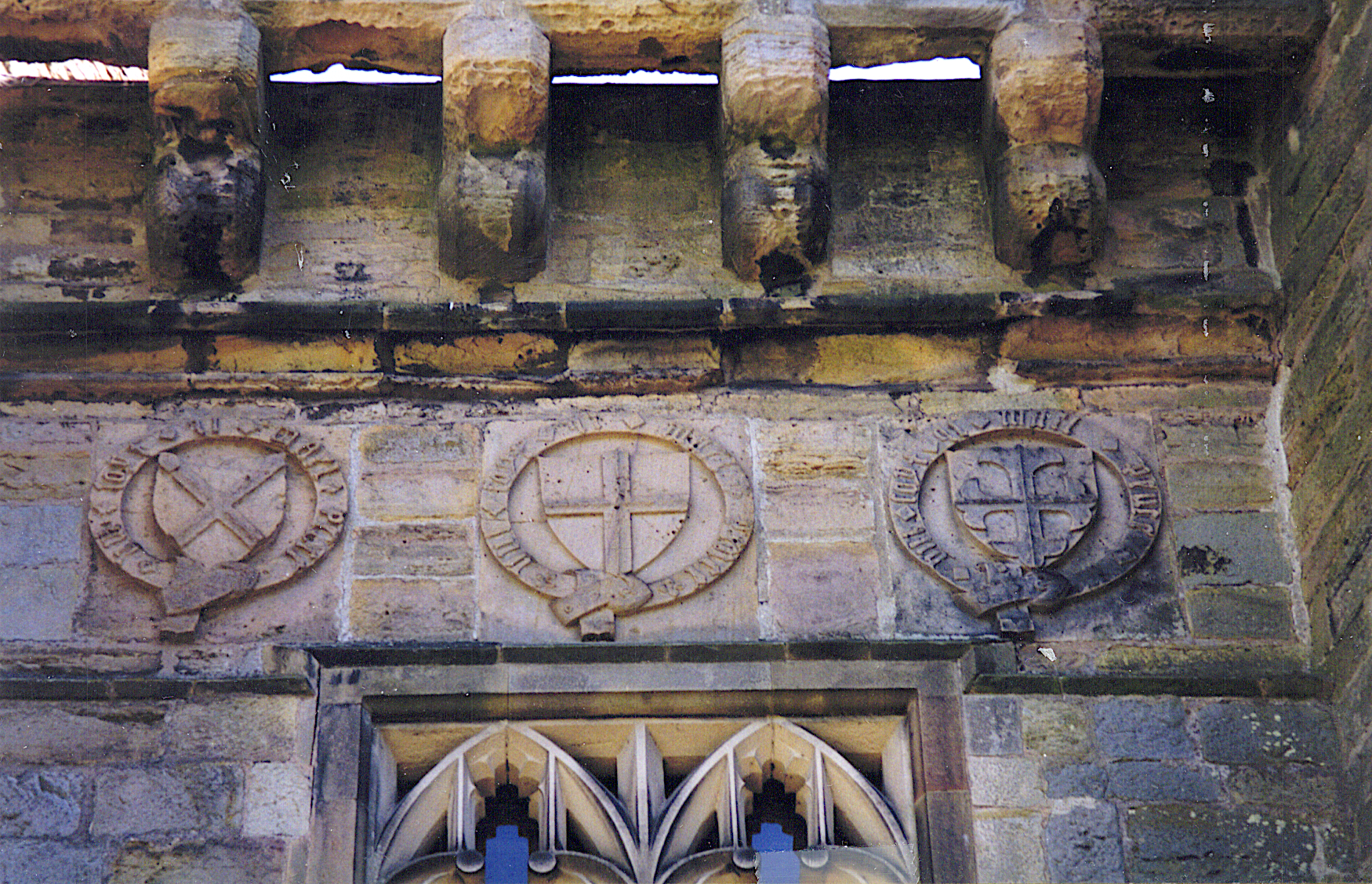
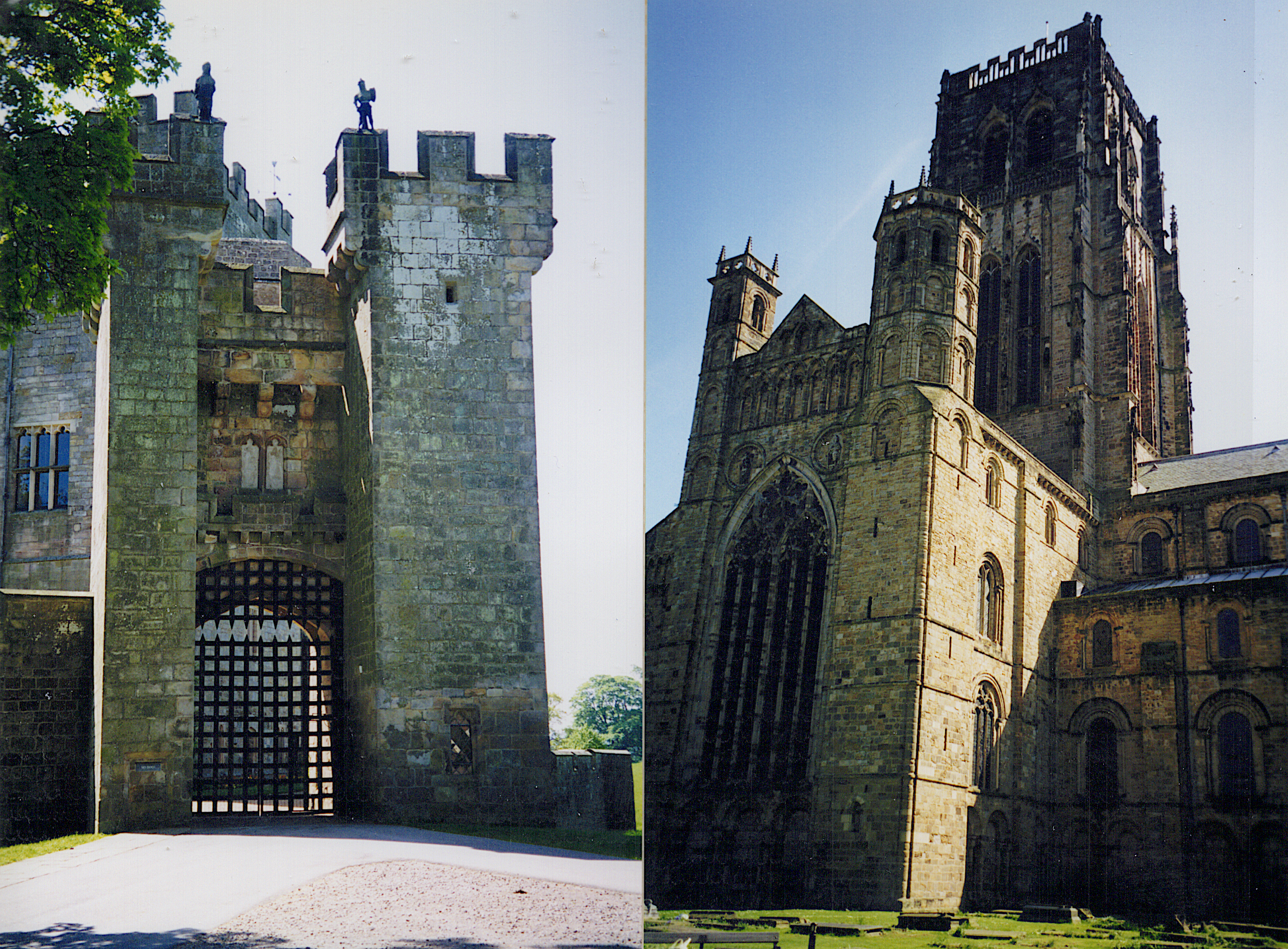
| Raby Castle in County Durham is set in a lovely 200-acre Deer Park and features, among other things, a beautiful 18th-century walled garden. The Neville family built most of the castle in the 14th century and retained it until the aforementioned "Rising of the North" in 1569. The castle is still a private home and remains the seat of the Vane family, the Barons Barnard. |
Durham Cathedral
| Durham cathedral is the successor to the Anglo-Saxon Lindisfarne Priory, which was established c. 635 but abandoned in 875 in the face of Viking raids. The present building was substantially completed between 1093 and 1133, replacing the Anglo-Saxon church, and is a significant example of the Romanesque architectural style. |
Below: Durham Cathedral
Below: Tombs/shrines of St Cuthbert (left) and the Venerable Bede (right)
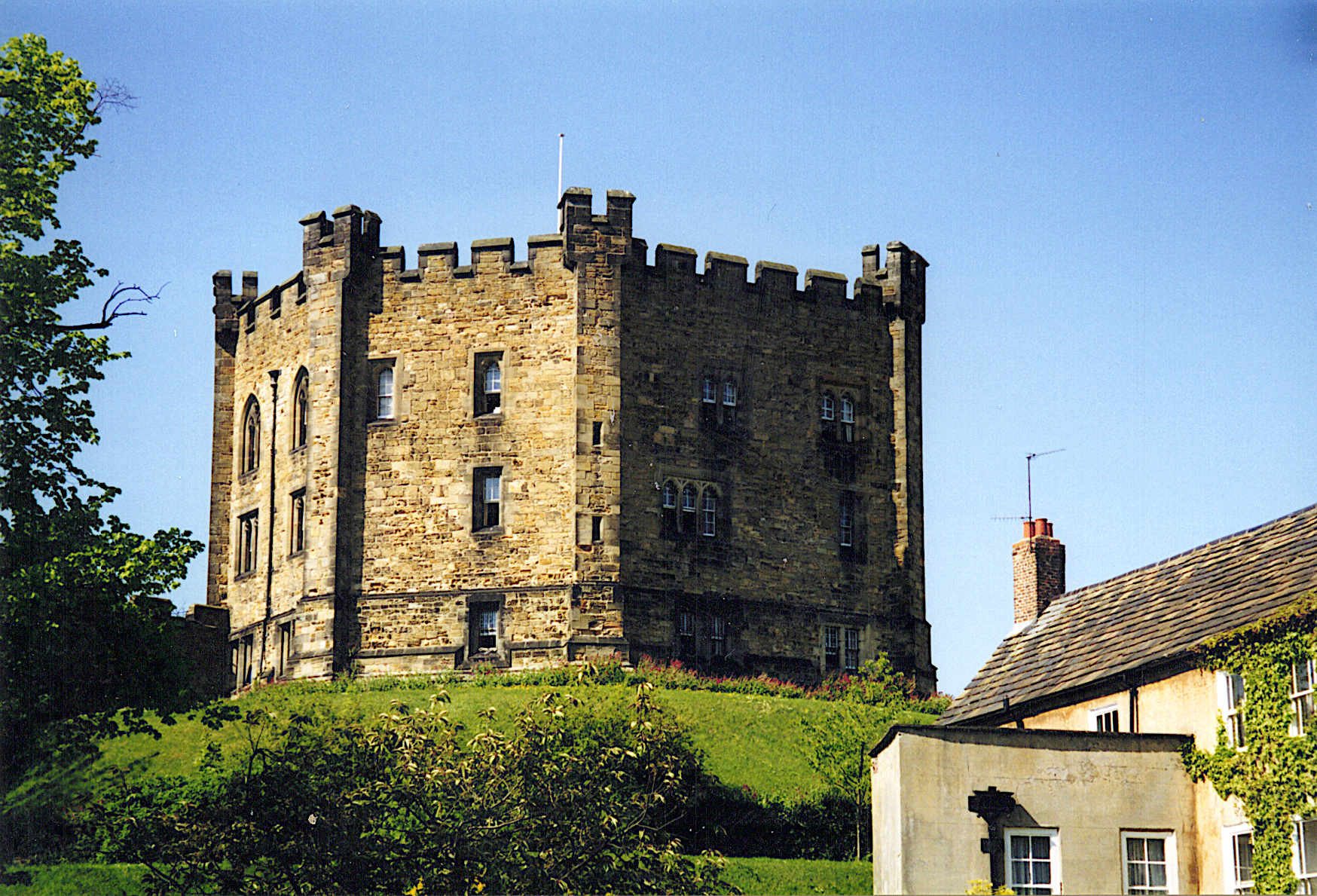
Below: Durham Castle
Langley Castle Hotel, Hexham, Northumberland
|
Our accommodation for this part of our holiday was the Langley Castle Hotel near Hayton Bridge. Langley is a restored medieval tower house built in the middle of the 14th century by Sir Thomas de Lucy. It was attacked and severely damaged in 1405 by the forces of Henry IV in the campaign against the Percys, and remained as a ruin until it was bought and restored by a local historian, Cadwallader Bates, in 1882. Most medieval castles that have survived and are now habitable have undergone post-medieval restorations in the Tudor, Regency, Georgian, and/or Victorian periods. When a castle has undergone multiple restorations the true medieval castle is often lost, or at least hidden. Not so at Langley. Here the castle lay in ruins until it was restored in the late 19th century. Therefore, Bates had the luxury of restoring a true medieval castle that was untouched by subsequent restorations. You want to stay in a real medieval castle that is actually medieval? Langley is the one.
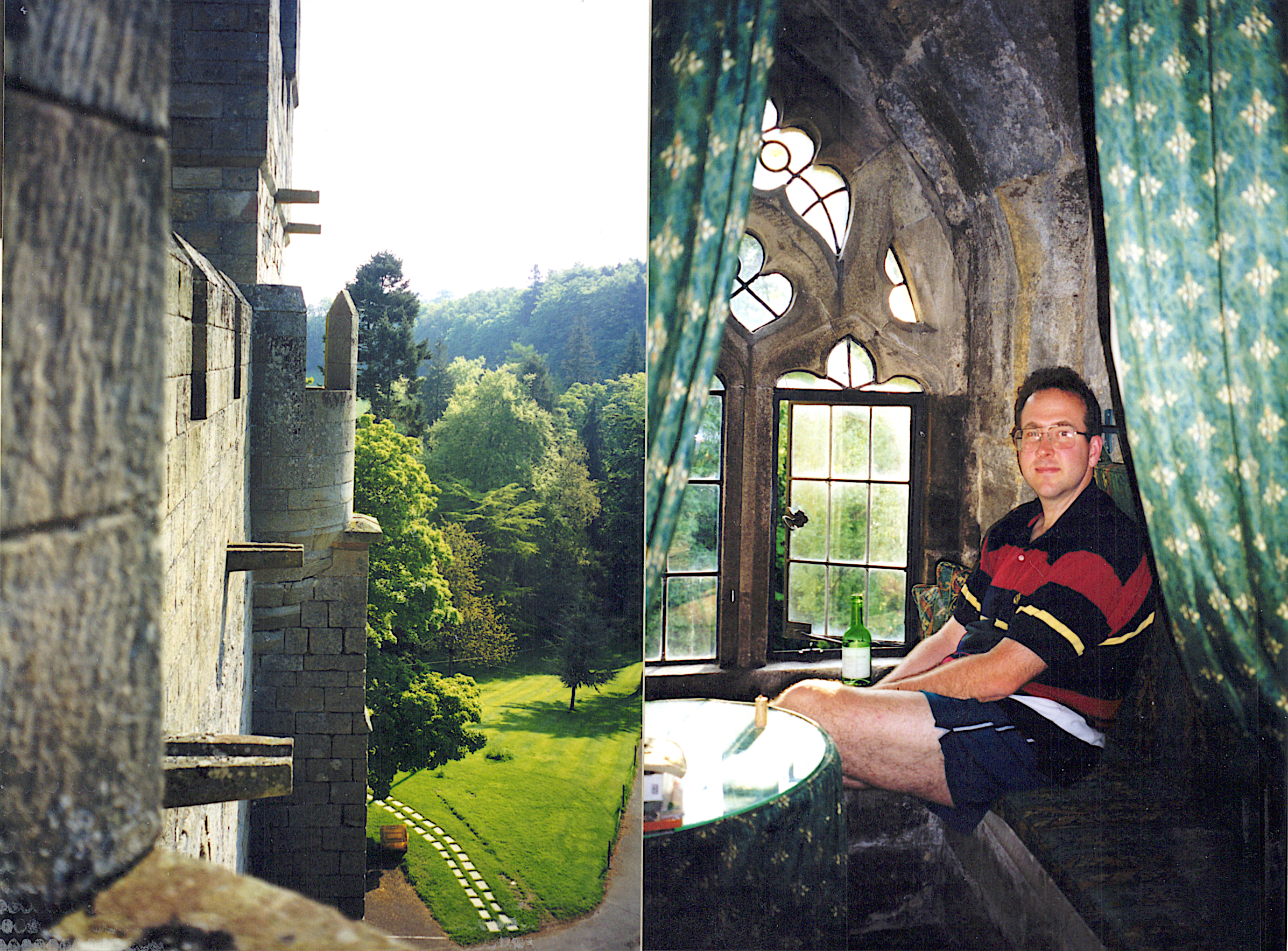
The interior of the castle is lavishly decorated with rich wood paneling complemented by the original medieval stonework. There are period fixtures in every room that seem very much in place and appropriate. We stayed in the "Percy Room" a decent-sized room with a Queen-size four poster bed, and En-suite bath and shower. Best of all was the window seat, a comfortable niche set into 7 ft walls overlooking the room's decorative window with two benches on either side (see below). We spent a lot of time relaxing here. My wife and I have enjoyed many different accommodations in Britain, everything from high-end hotels to modest B&B's but this was definitely one of our top rooms of all time. (Definitely the most medieval.)
On one of our nights there we enjoyed fine dining in the castle's opulent dining room. We were both dressed for the occasion, me in a coat and tie and Parthene in a dress. After dinner I had a glass of Port and a Cuban cigar in the Drawing Room. I like port but I'm not a cigar smoker. I simply couldn't resist the opportunity. We were treating ourselves to the life of a Lord and Lady of the castle. In the morning we enjoyed long walks around the castle and surrounds before having breakfast in the dining room. Breakfast was a pretty formal affair too, and I refrained from wearing shorts and T-shirt.
|
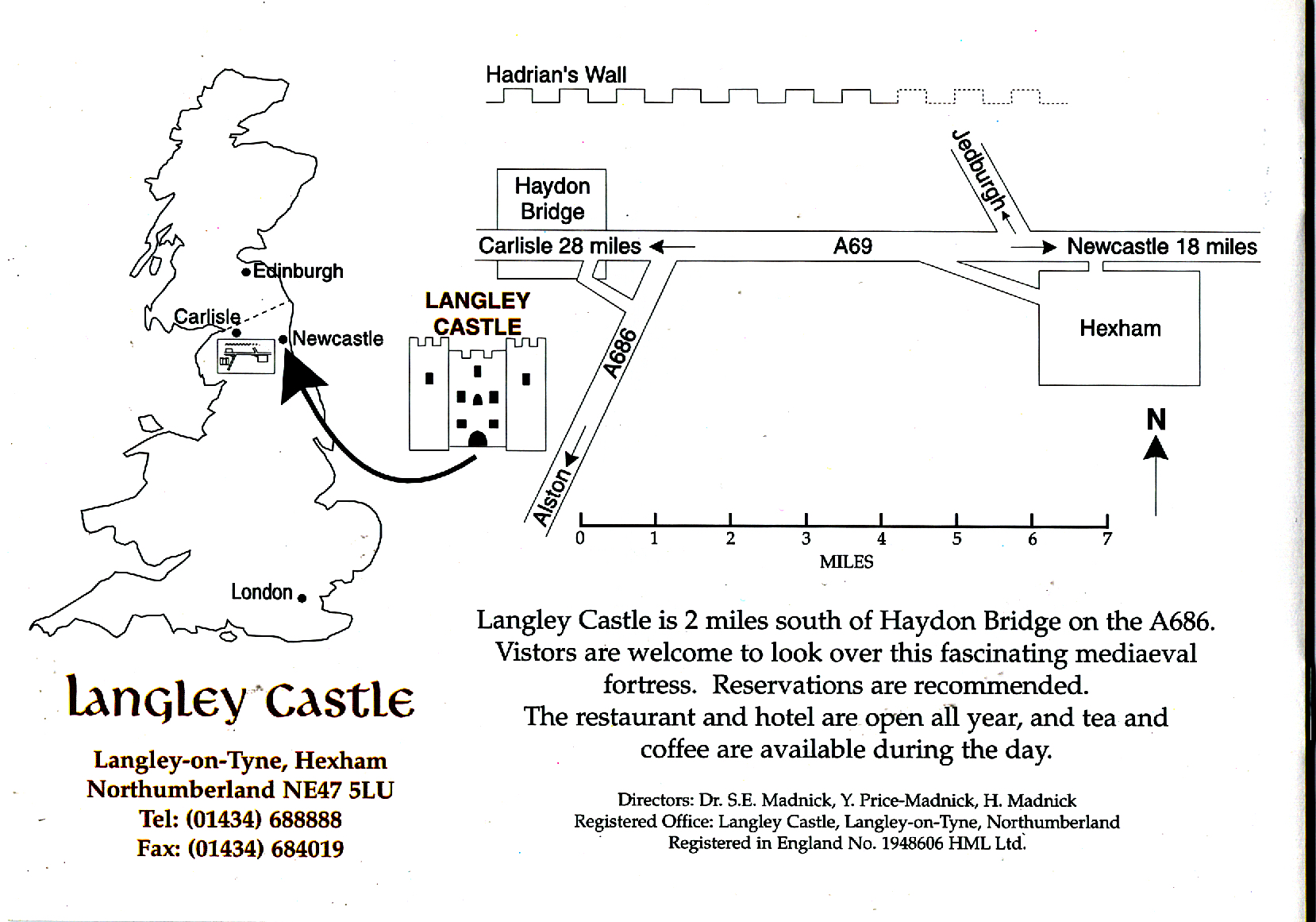 |
Below: (top row) the front of the castle and main entrance, (bottom row) the Drawing Room (left), and Dining Room (right)
Below: (top row) up the stairs approaching the entrance to our room, (bottom row) interior views of our room
Tucked underneath a staircase are two of the castle's many medieval Garderobes (toilets). We preferred the one in our room.
Hadrian's Wall
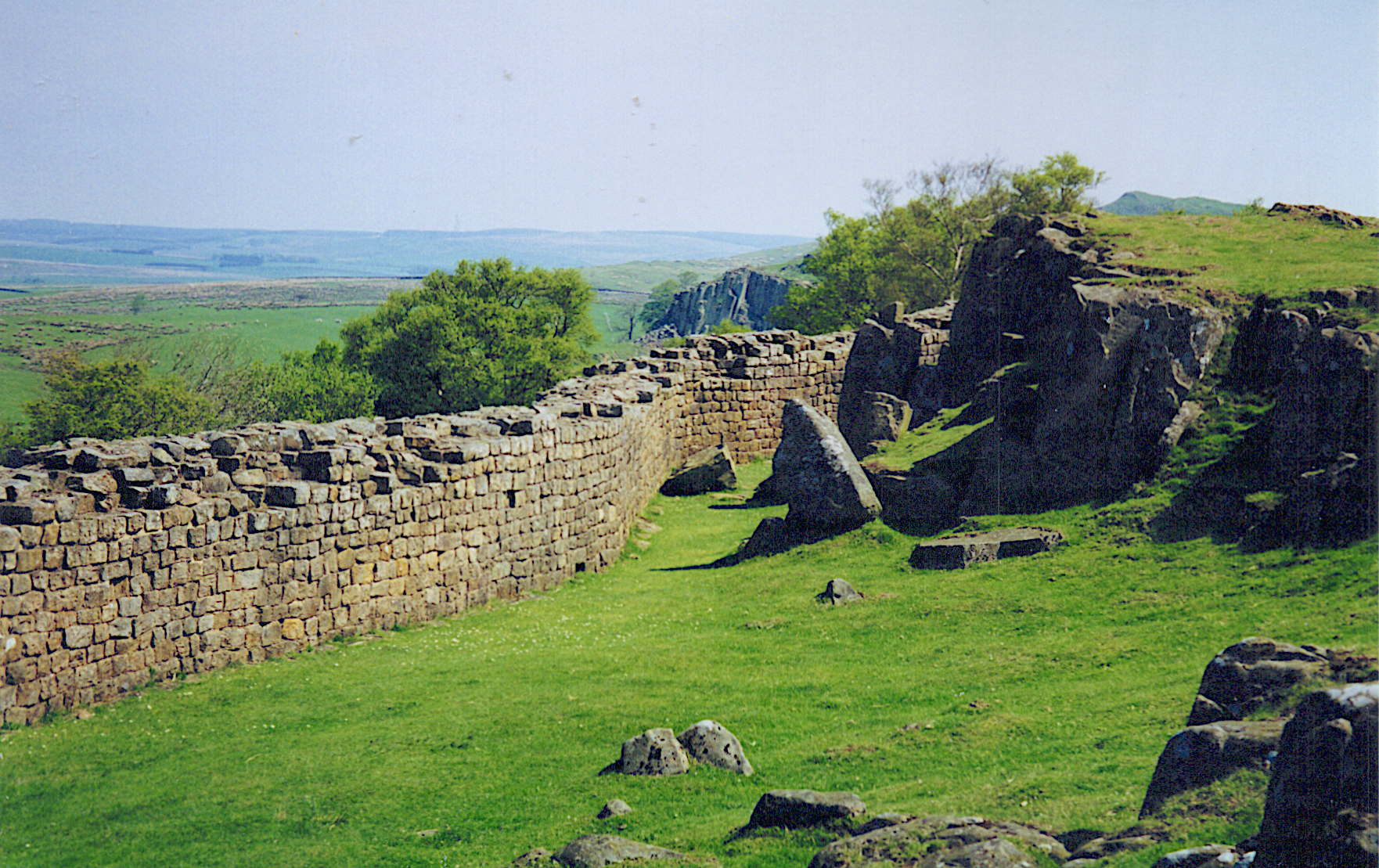
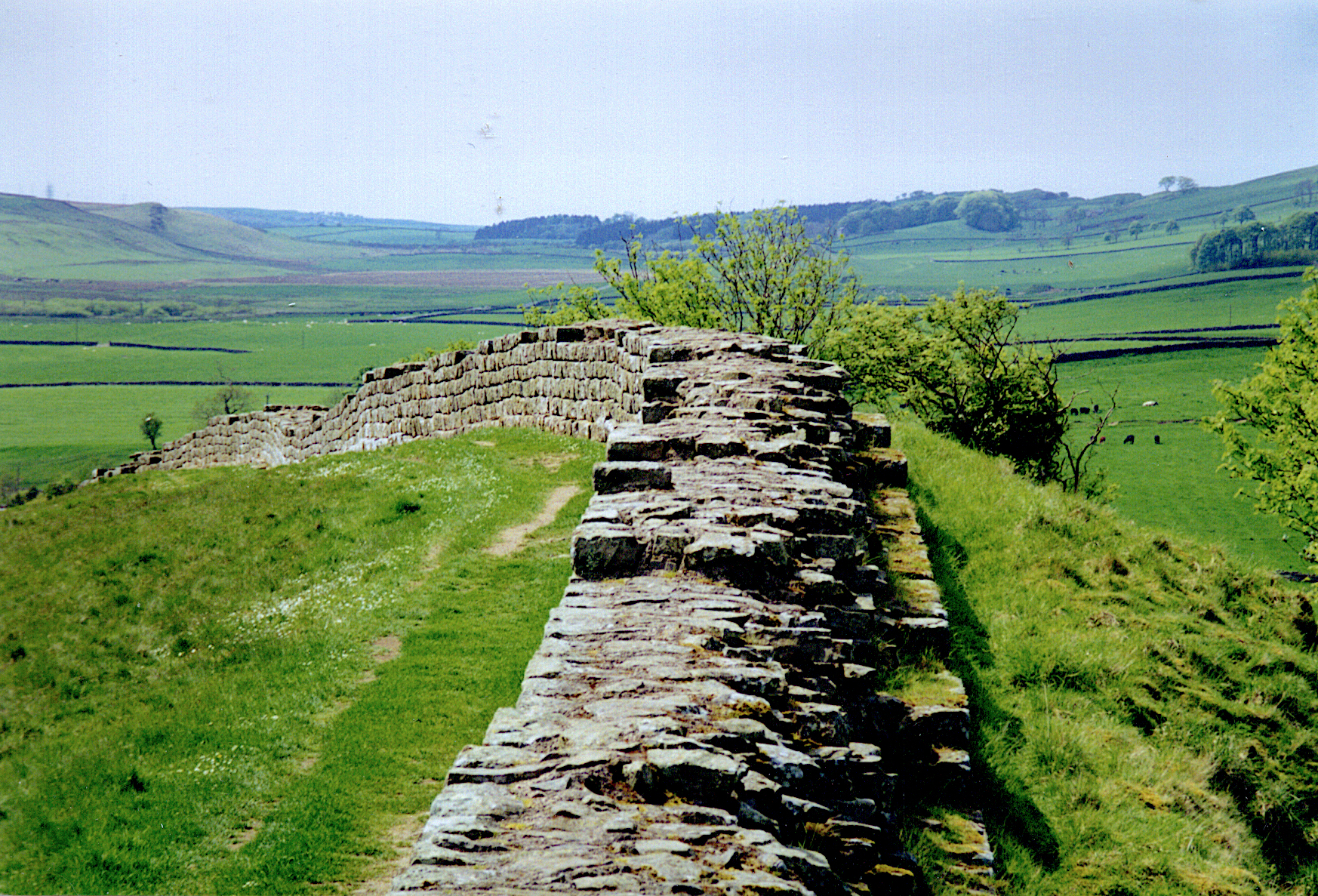
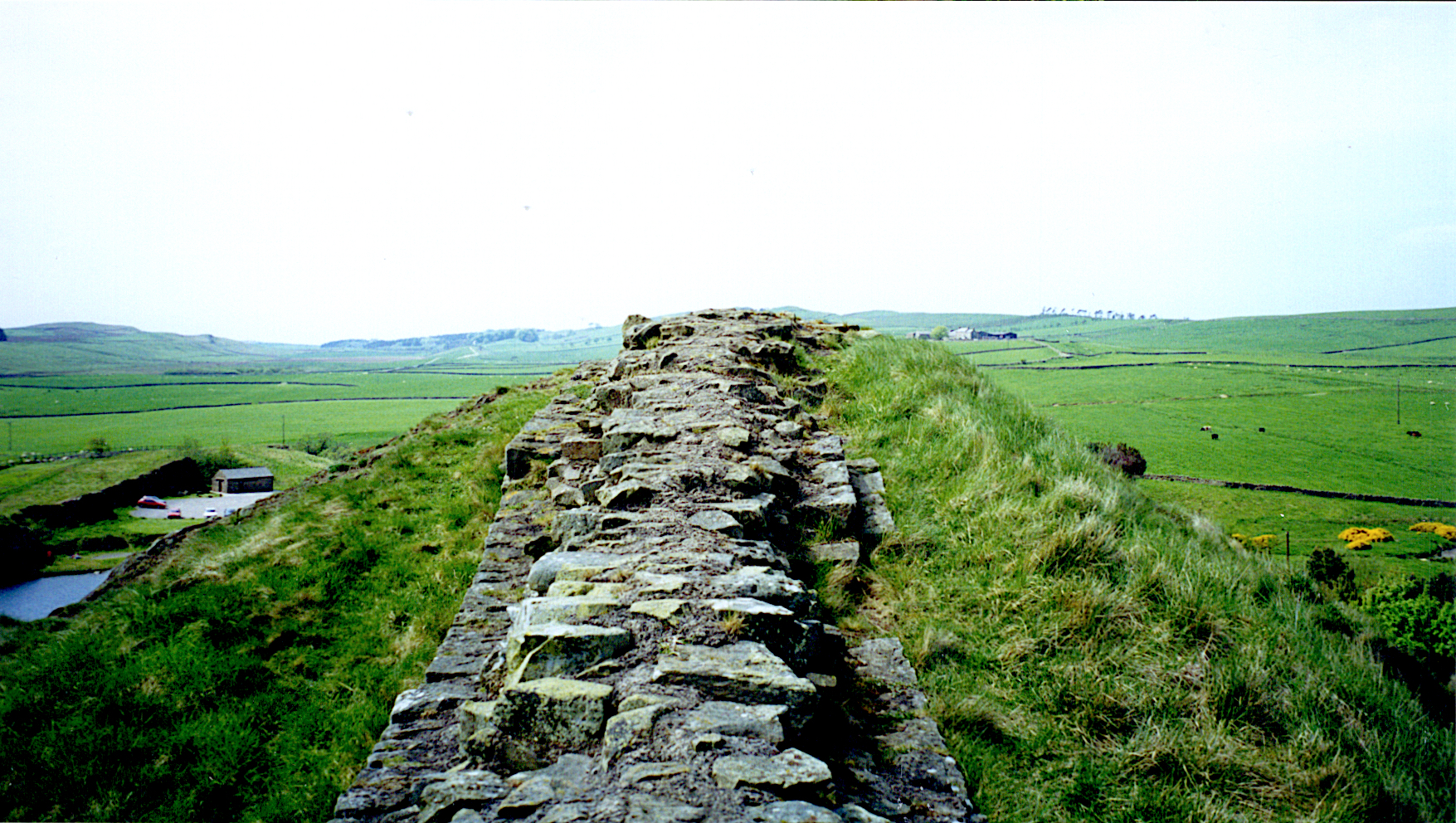
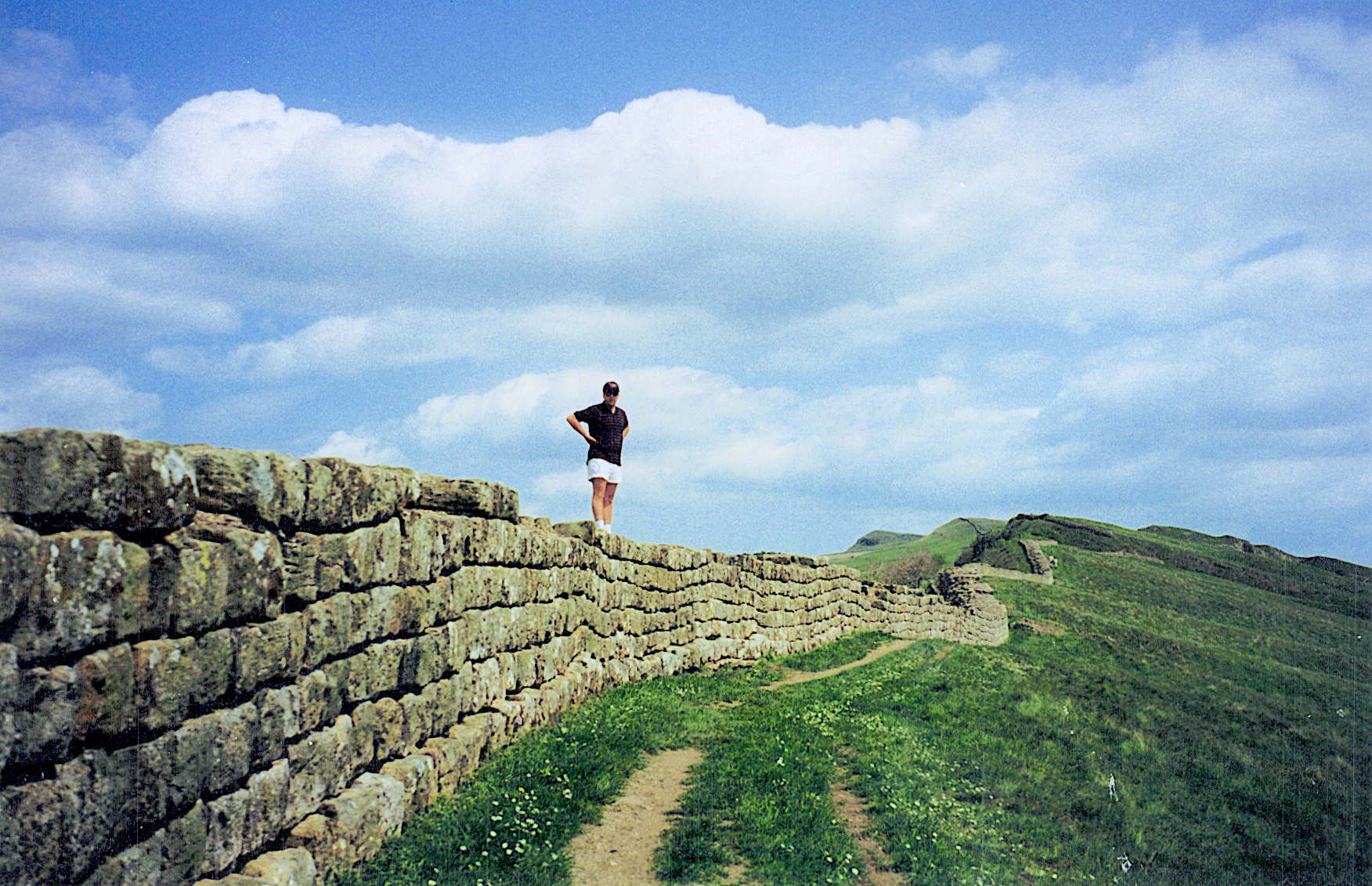
| We did two extended walks along Hadrian's Wall. Both were half-day treks accompanied by a picnic. Our first hike was the Walltown Crags section of the wall, and our second the Cawfields section. We were hiking mid-week and we encountered very few people; specifically, we saw no other people on the Walltown hike, and only one other couple on the Cawfields hike. We were alone in the wild open countryside which we very much had to ourselves (except for the sheep). It was both wonderful and a little bit eerie as we encountered beauty, silence, and isolation along both hikes. |
Hadrian's Wall, Walltown Crags
| Walltown Crags is one of the finest places to see Hadrian's Wall, where it snakes and dives through dramatic countryside along the crags of the Whin Sill. Not only is the Wall itself especially well preserved here, but it also shows how the soldiers who built it coped with the presence of large outcrops of natural rock - sometimes incorporating it into the Wall, and sometimes almost butting up against it. At one end is Walltown turret, which unusually was first built as a free standing tower. We began by parking in the small lot designated for this section of the wall. The hike had both level and steep sections, although not nearly as steep as what we had just hiked in the Lake District. There was plenty of beautiful countryside along the way and we got to explore a Roman Mile Fort about midway through. It was a sunny day and we enjoyed our picnic while basking in the bright sunlight and the beauty and history that was all around us. |
Hexham Abbey, Northumberland
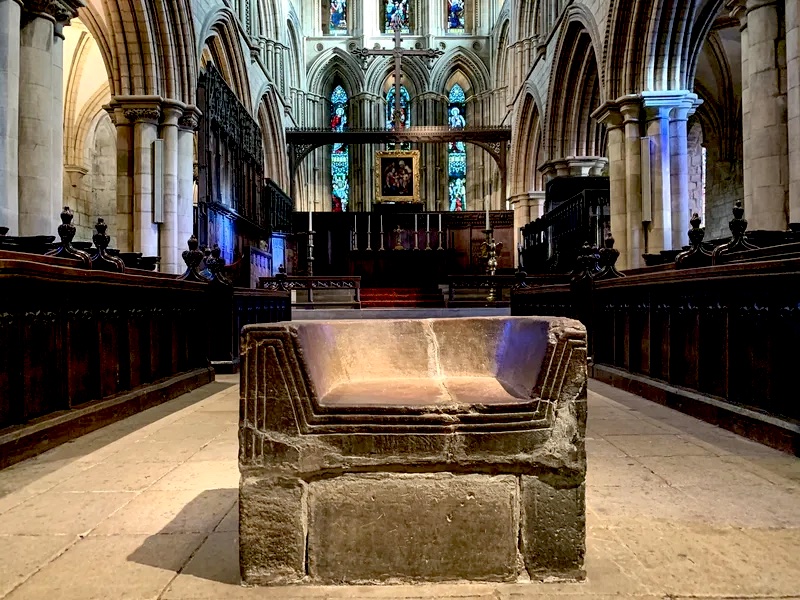
| Hexham Abbey is one of the earliest seats of Christianity in England. There has been a church on the site for over 1300 years since Etheldreda, Queen of Northumbria, made a grant of lands to St Wilfrid, Bishop of York. Of Wilfrid's Benedictine abbey, which was constructed almost entirely of material salvaged from nearby Roman ruins, the Saxon crypt still remains; as does a 7th/8th century cathedra or throne. I wanted to visit the church because of its connections to St Wilfred and Anglo-Saxon England, specifically to see the stone carved "St Wilfred's Chair" dating from the late 7th century. There are other Saxon artifacts in the abbey as well, which (for me) provided a historical touchstone with the early history of Christianity in Britain. |
Below: Hexam Abbey and St Wilfred's Chair
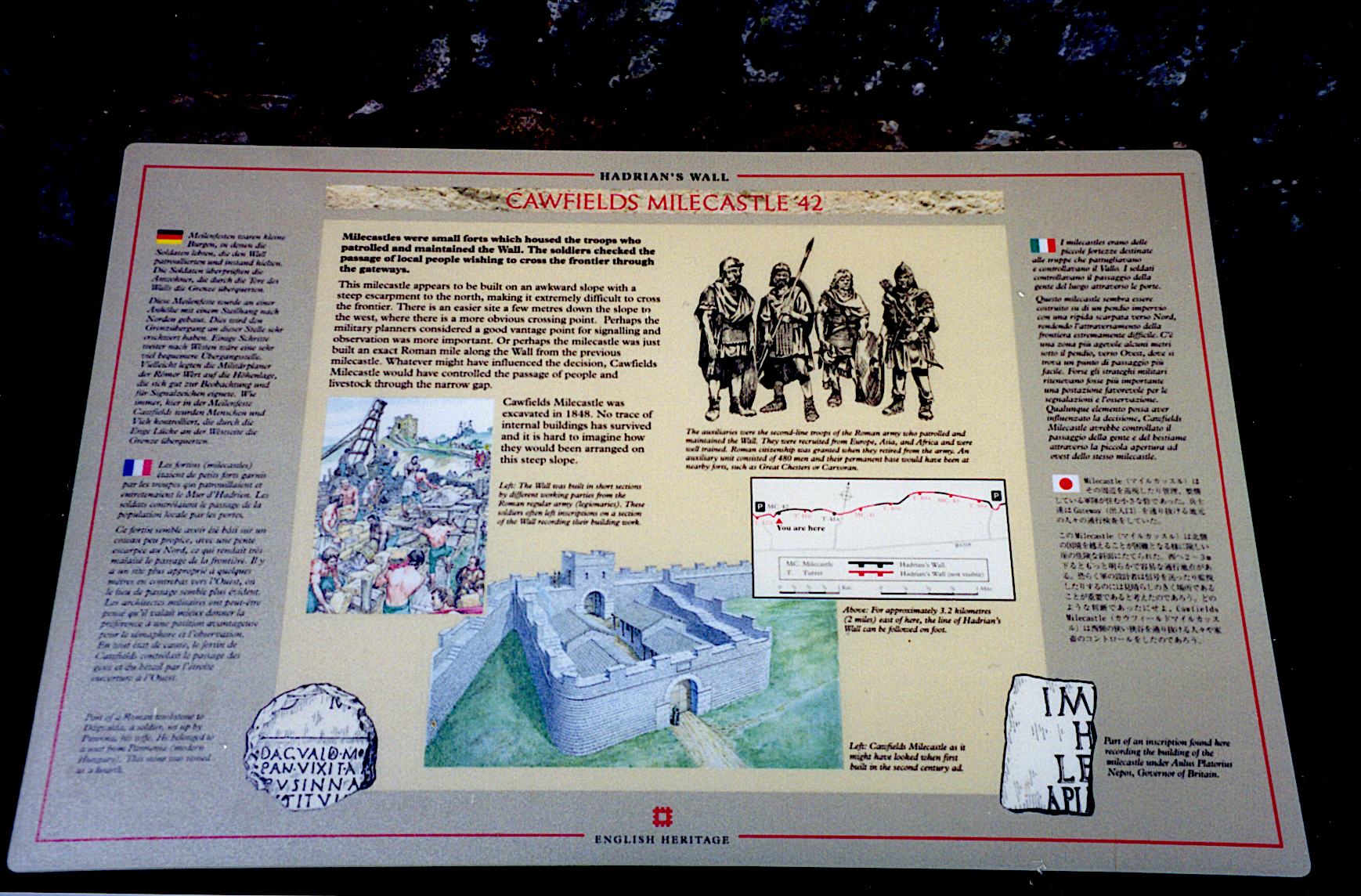
Hadrian's Wall, Cawfields
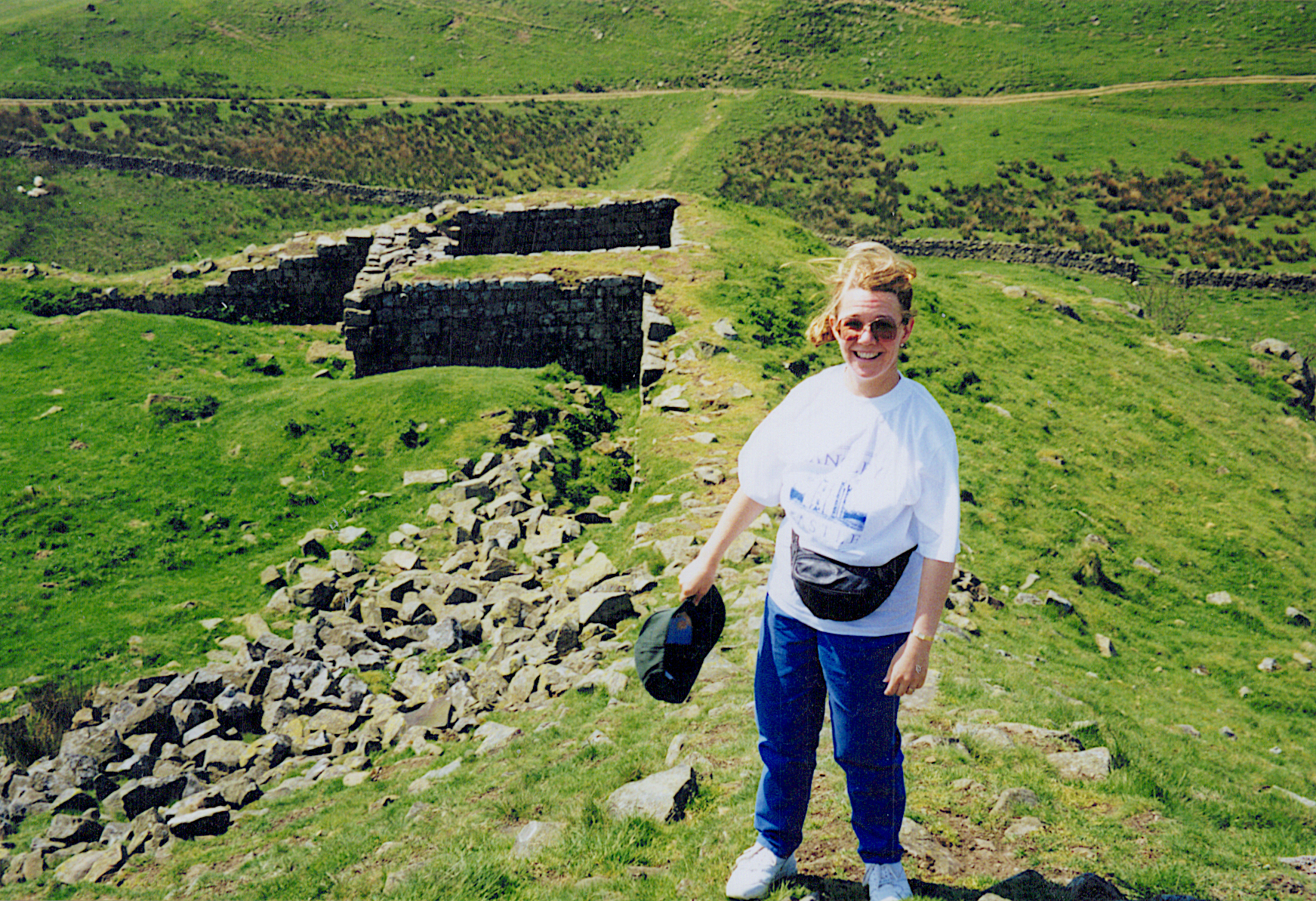
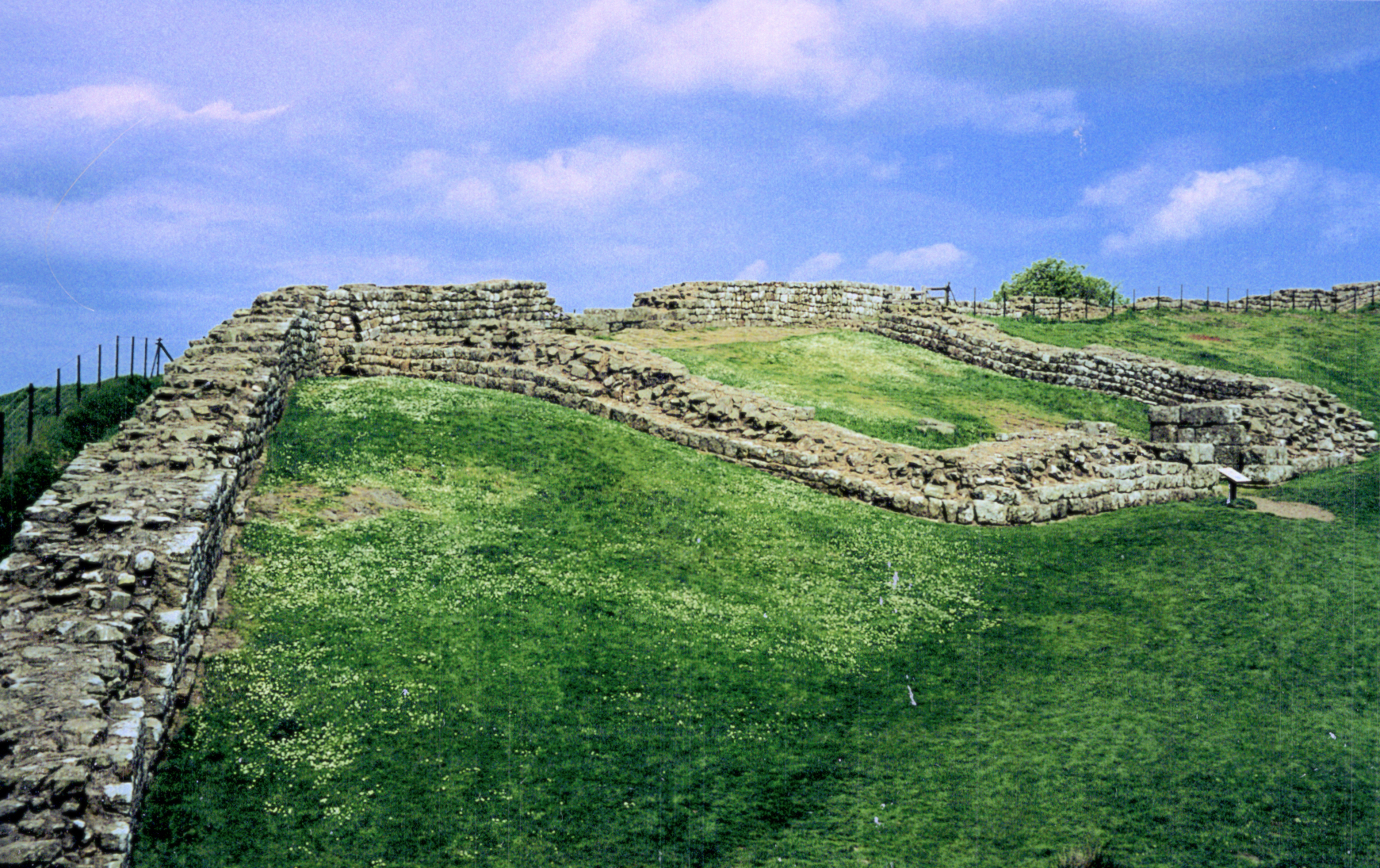
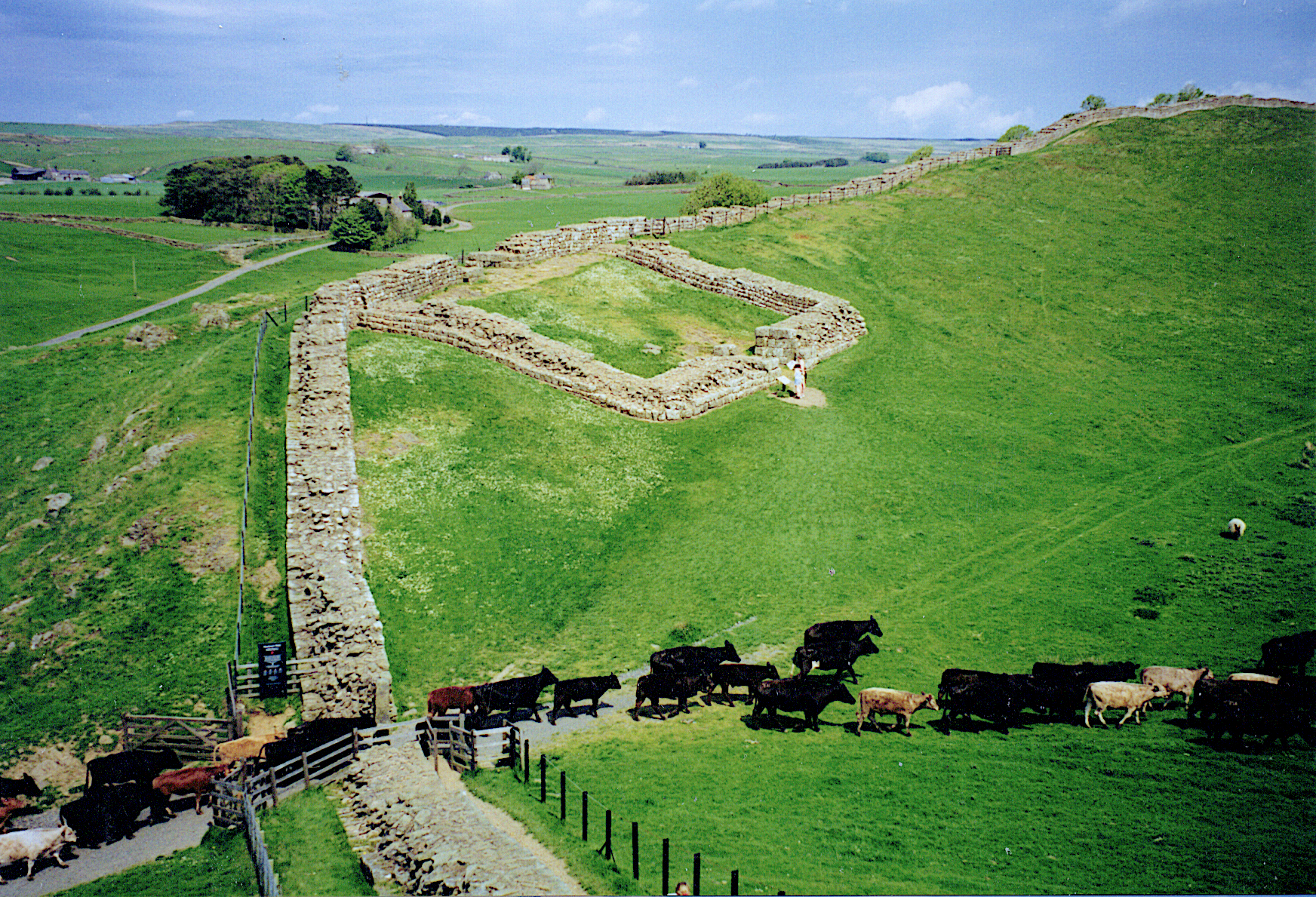
| Cawfields boasts one of the best-preserved and most scenic stretches of Hadrian's Wall. The wall at Cawfields stretches across a steeply sloped site and terminates abruptly in high cliffs. Milecastle 42, one of the wall's most intact milecastles, is found along this stretch. Again there was a small car park that served as our starting point. The hike seemed both higher and even more isolated than our visit to Wallston Crags, but just as beautiful. We found Milecastle 42 not long after we began hiking and spent some time exploring it and the surrounds. We hiked about 3 miles until we reached a farm with fields of grazing sheep, where we unpacked our picnic lunch. We took our time on the way back, enjoying the wild, sweeping views of what was our final hike along Hadrian's Wall. |
Hadrian's Wall, Vindolanda
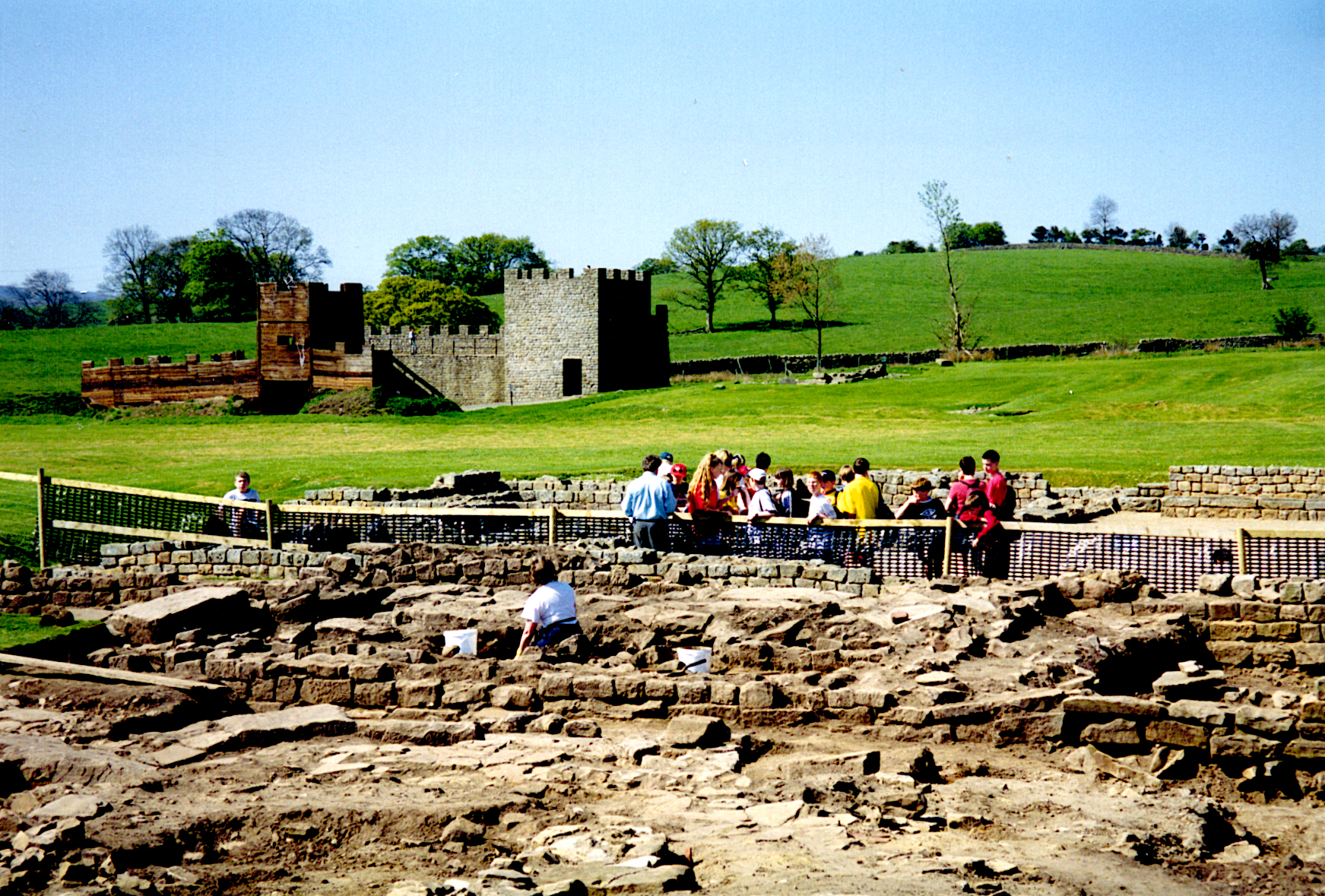
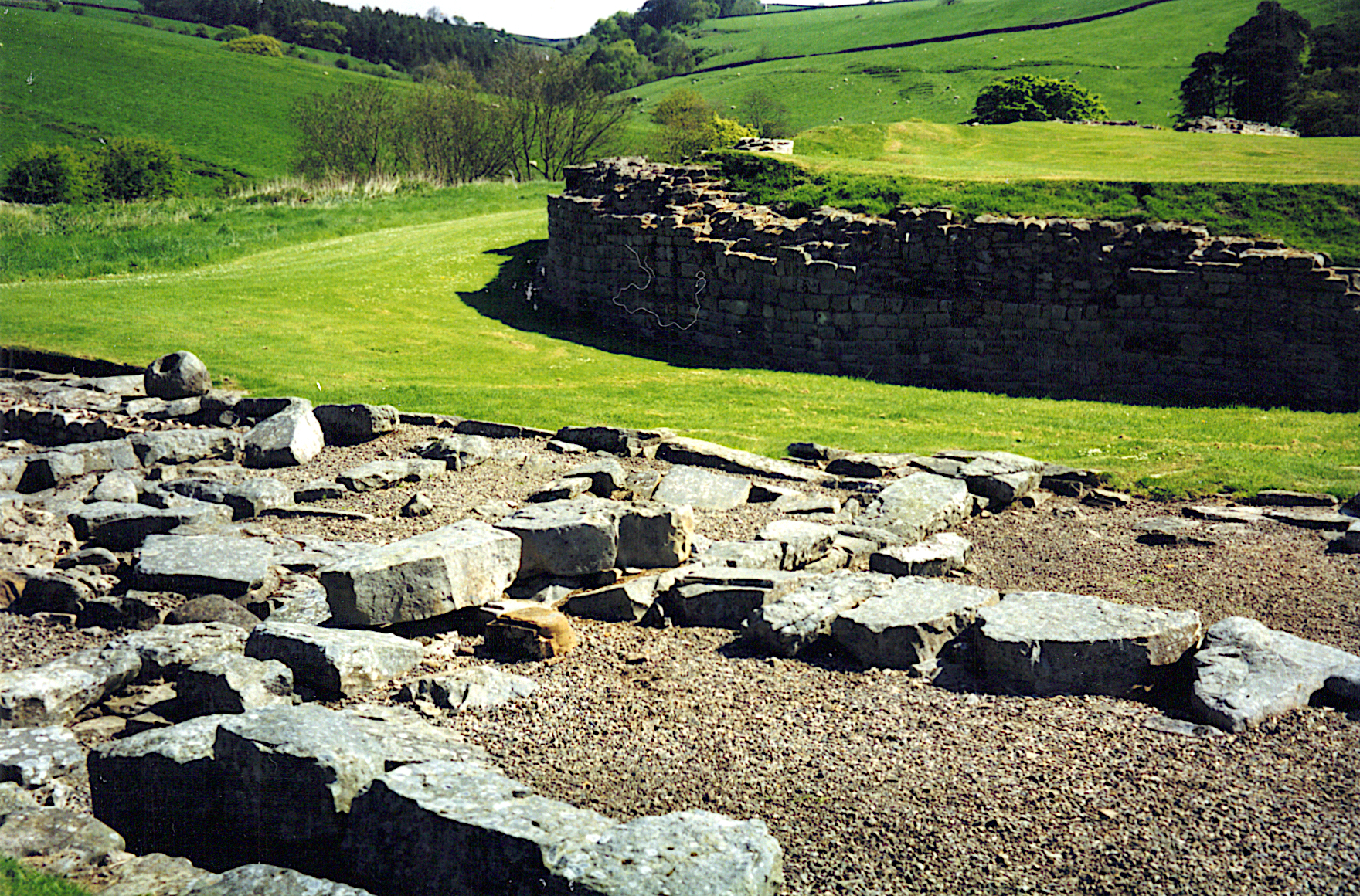
| Although first built by the Roman army before Hadrian’s Wall, Vindolanda became an important construction and garrison base for the Wall, a Wall fort in its own right. Excavations take place every year between April and September, and the buildings and artifacts they have uncovered are extensive and fascinating. We parked the car and entered through a mock-Roman gatehouse to enter the site. Inside we found an impressive and orderly grid of completed and in-process excavations, archaeology live and in person. It was fascinating to see excavations actually taking place. We spent a lot of time outside and in the museum that displays many of the finds. There were lots of school groups the day we visited and I can see why, as Vindolanda has to be the most interesting and educational Roman site in all of Britain. |
Below: relaxing after a long hike along Hadrian's Wall
Part I: South Wales
Part II: The Lake District
Part IV: Scotland, The Highlands (Next)
Part V: Scotland, Stirling
Part VI: London
 Return to the main Travelogue page Return to the main Travelogue page
|