Home | Main Menu | Castle Index | Historical Essays | Recommended Castles | What's New | Links
Travelogue Britain 1998 
A Photo Essay Tour
Part I: South Wales
by Jeffrey L. Thomas

      |
|
Britain 1998: A three-week trip to Britain but only a couple of days in Wales. On this trip we experienced different parts of Britain. Adventures in the Lake District, Northumberland, and Scotland, with a final few days in London. New castles in Wales, beautiful hikes in the Lake District, Roman sites in Northumbria, two real castle hotels, and lots and lots of castles in Scotland. Instead of writing a full-blown essay, I've decided to create a photo-essay using more photographs accompanied by just a few comments regarding each site or activity. In other words, this is more like a photo album with comments. Places Visited:Part I: South Wales → Caerleon: Roman Fortress & Ampitheatre → Penyclawdd Court & Castle → Llanthony Priory → Hay Castle → Bronllys Castle Crickhowell Castle → Abergavenny Castle → Skenfrith & White Castles w/historian Richard Williams → Brecon Castle → Longtown Castle Cilmeri: Llywelyn ap Gruffydd Memorial → Goodrich Castle → Pembridge Castle → Monmouth Castle → Usk Castle → Hereford Cathedral Part II: The Lake District → Grasmere → Oak Bank Hotel → Hike to Alcock Tarn → Hike to Easedale Tarn → Keswick: Castlerigg Stone Circle Part III: Northumberland → Raby Castle → Langley Castle Hotel → Hexham Abbey → Durham Cathedral → Hadrian's Wall Hike: Wallstown Crags Hadrian's Wall Hike: Cawfields section → Vindolanda Roma Fort → Part IV: Scotland, The Highlands → Polmaily House Hotel → Loch Ness Urquhart Castle → Stuart Castle → Corgarff Castle → Caledonian Canal, Dochgarroch Locks → Cawdor Castle → Brodie Castle → Balvenie Castle Kildrummy Castle → Auchindoun Tower House → Glenbuchat Castle → Eilean Donon Castle → Isle of Skye → Dunvegan Castle → Huntley Castle Fyvie Castle → Blair Castle → Glamis Castle → Part V: Scotland, Stirling → Culcreuch Castle Hotel → Stirling Castle → Castle Campbell Doune Castle → Edinburgh Castle → The Royal Mile → Palace of Holyrood House → Holyrood Abbey → Village of Balquhidder (Rob Roy) Kilchurn Castle → Oban → Dunstaffnage Castle → Part IV: London → The Goring Hotel → Buckingham Palace → St James Park Kensington Palace → Picadilly → Plays: Phantom of the Opera (Her Majesty's) → Complete Works of Shakespeare (Criterion) → Hyde Park
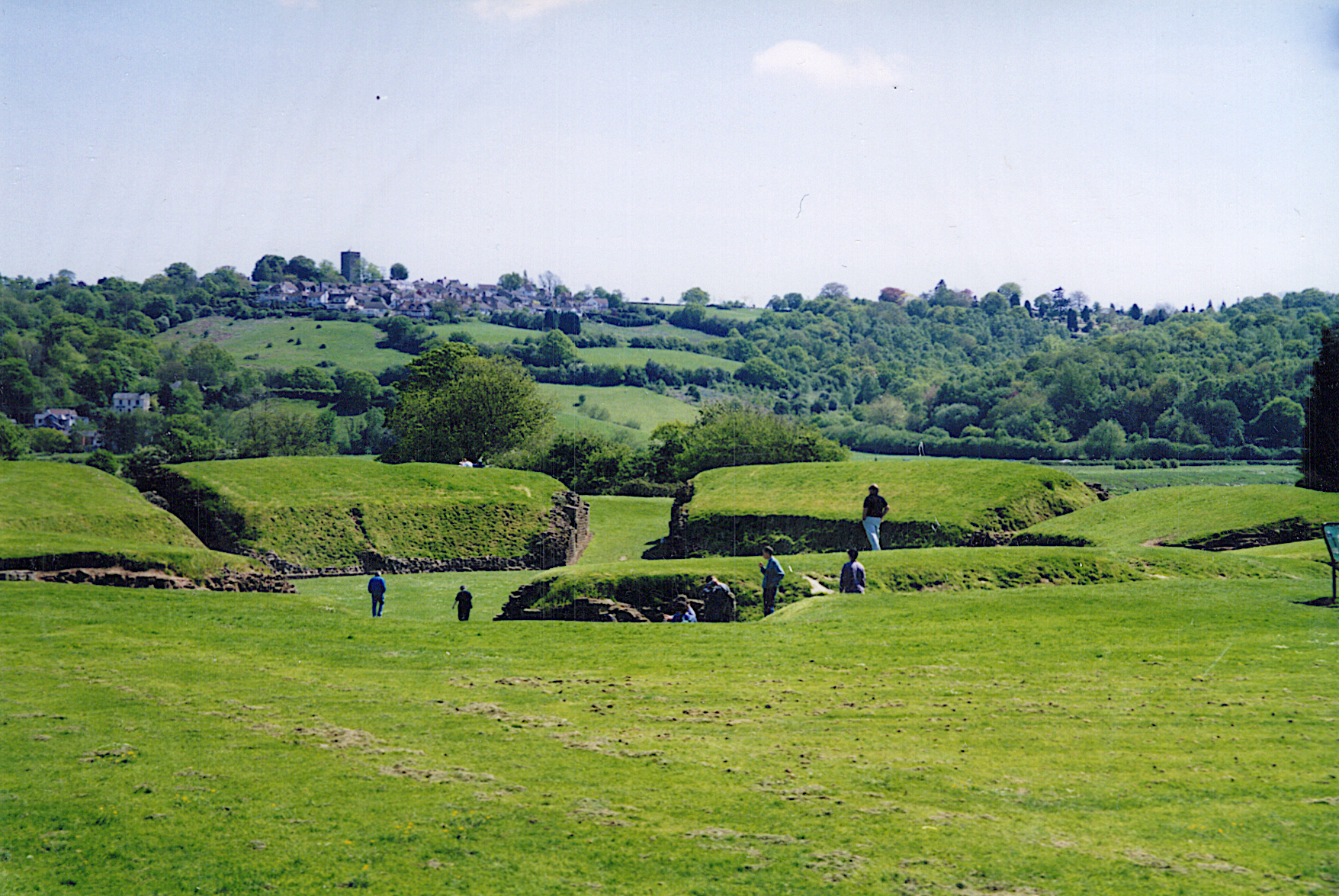
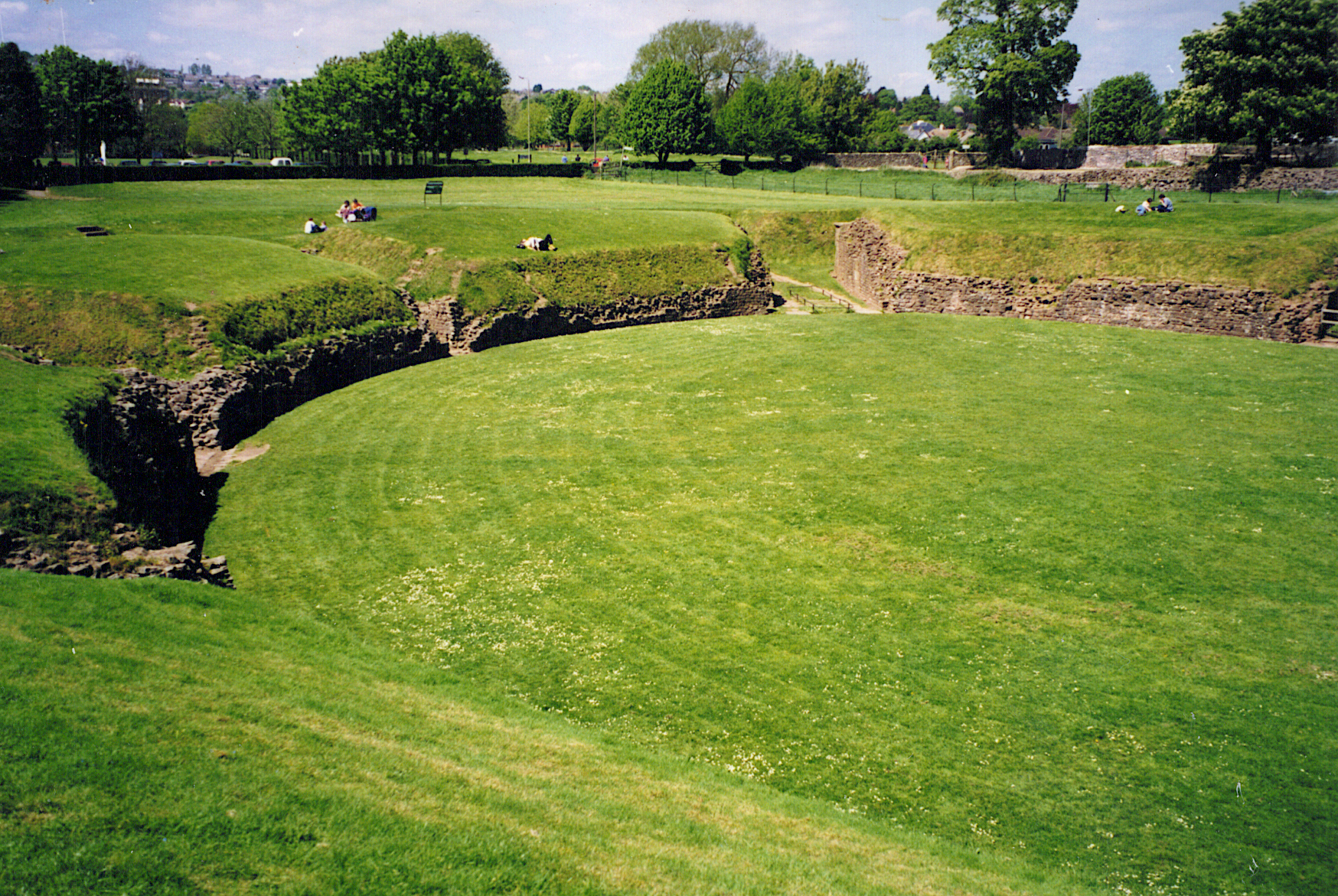
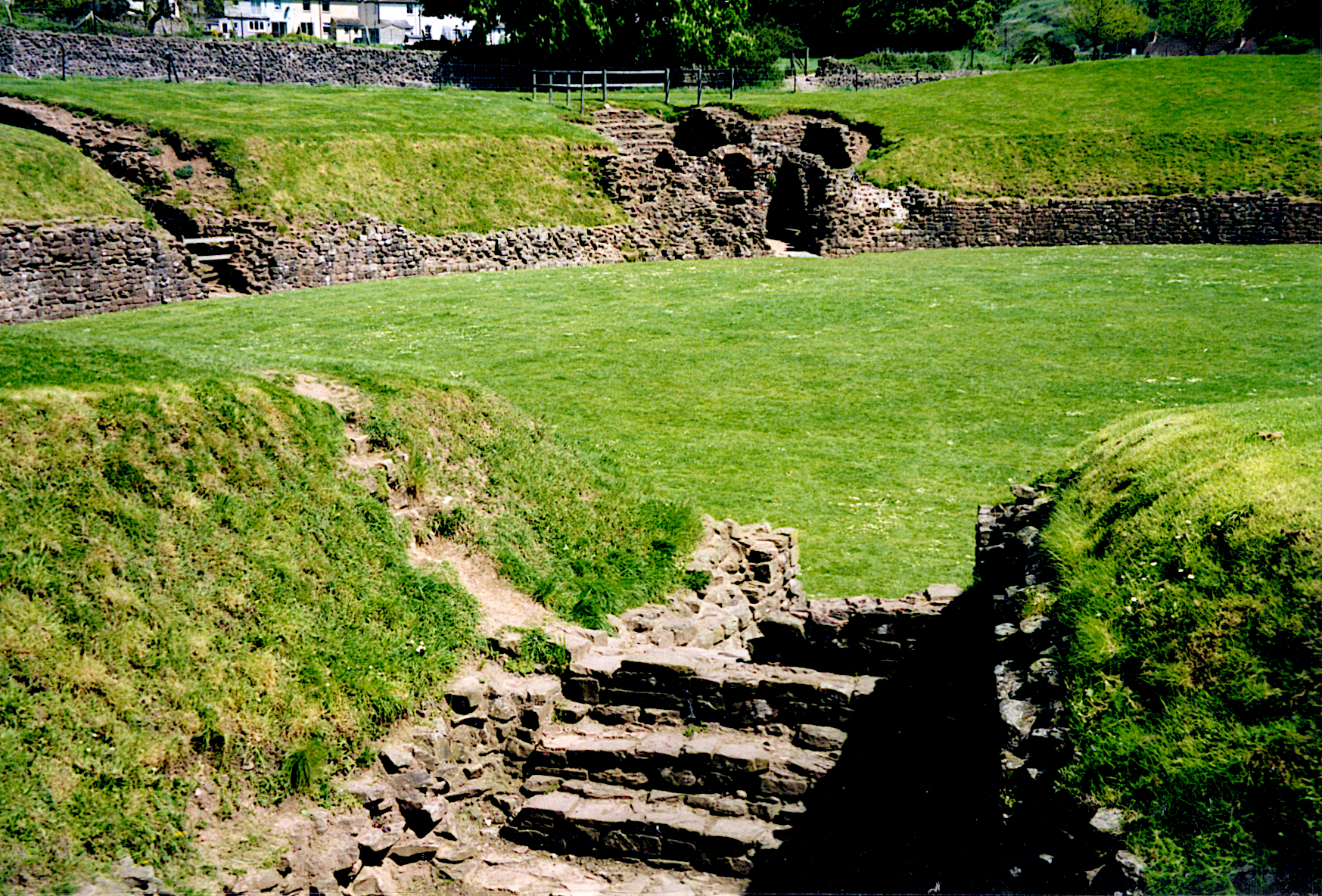
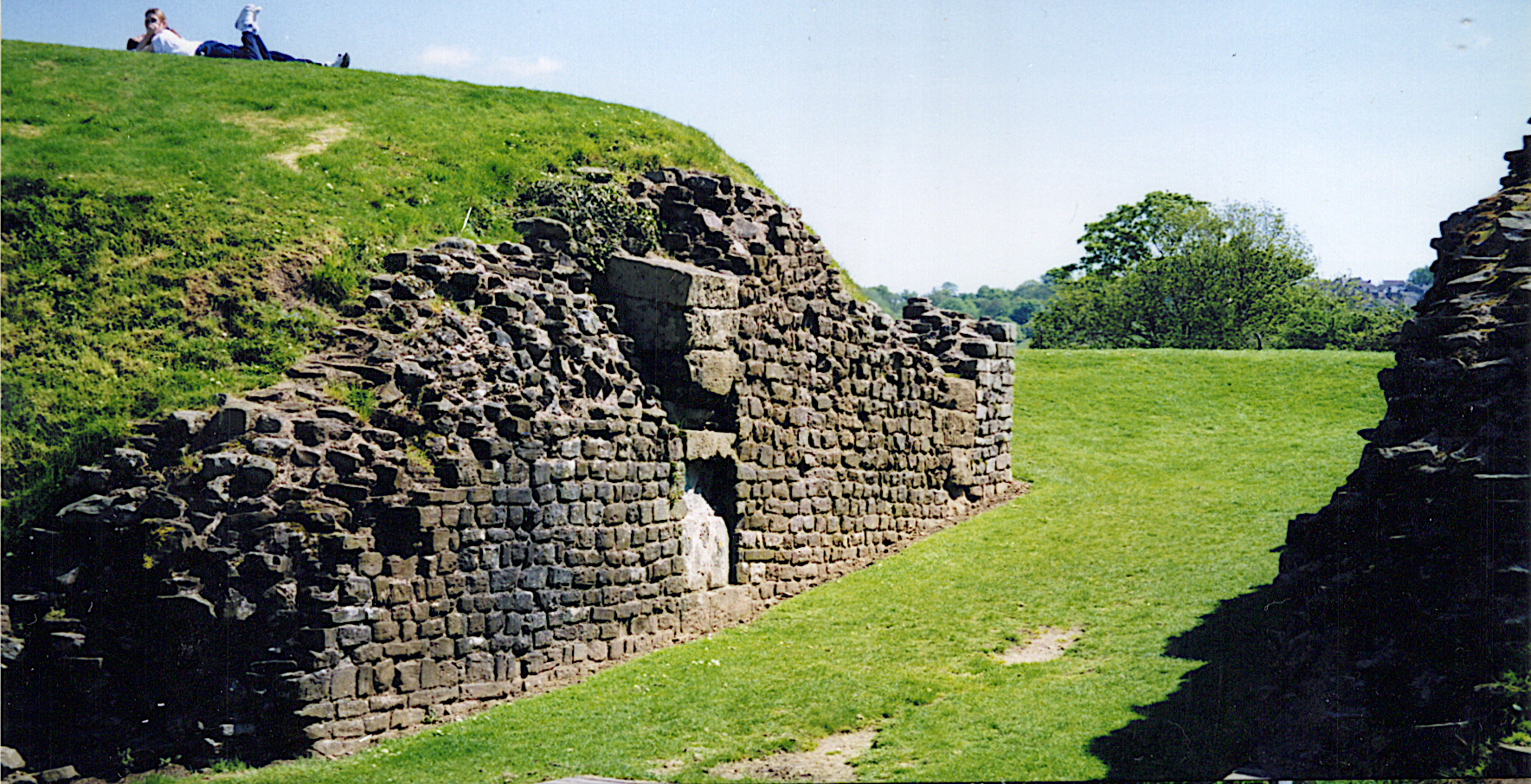
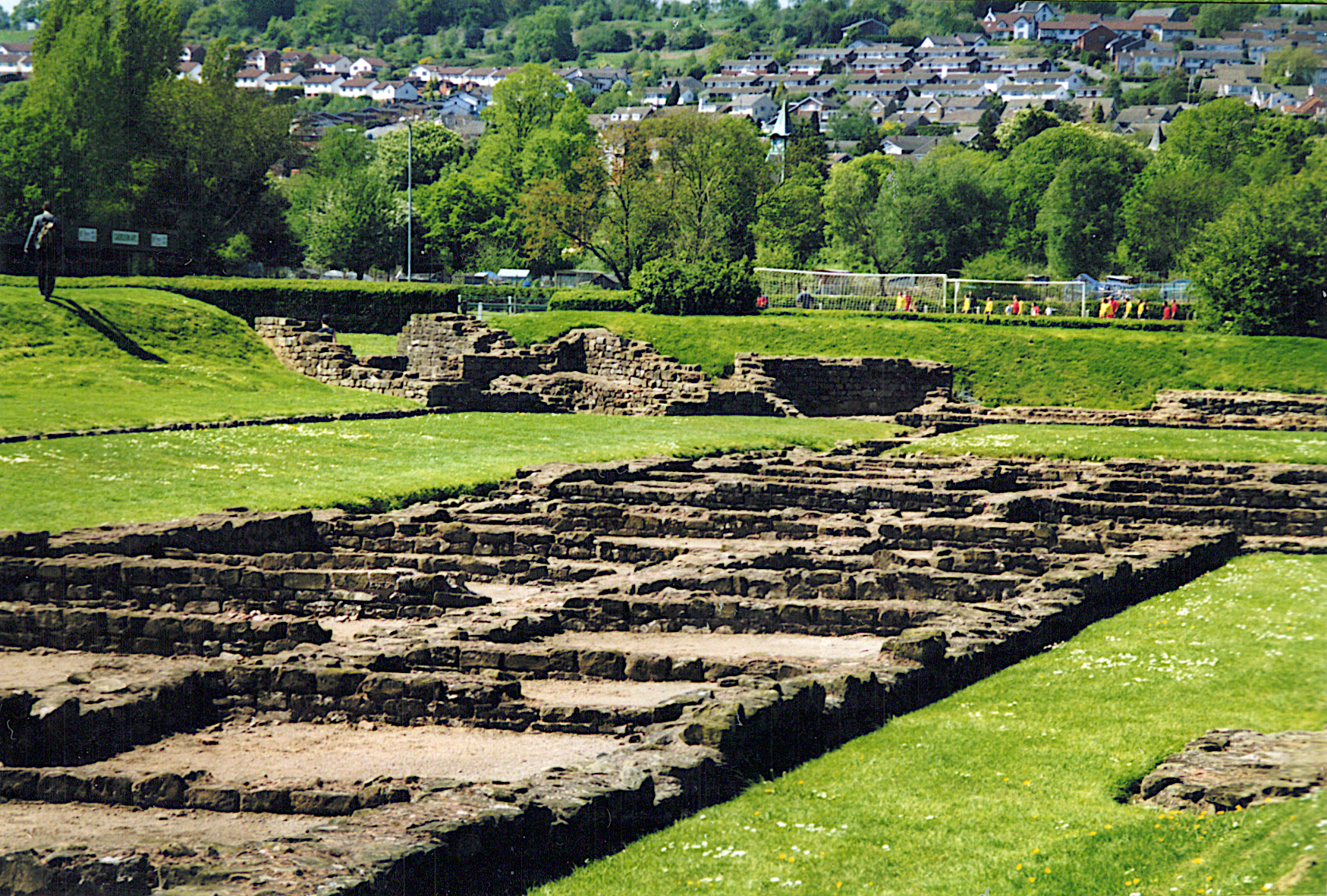
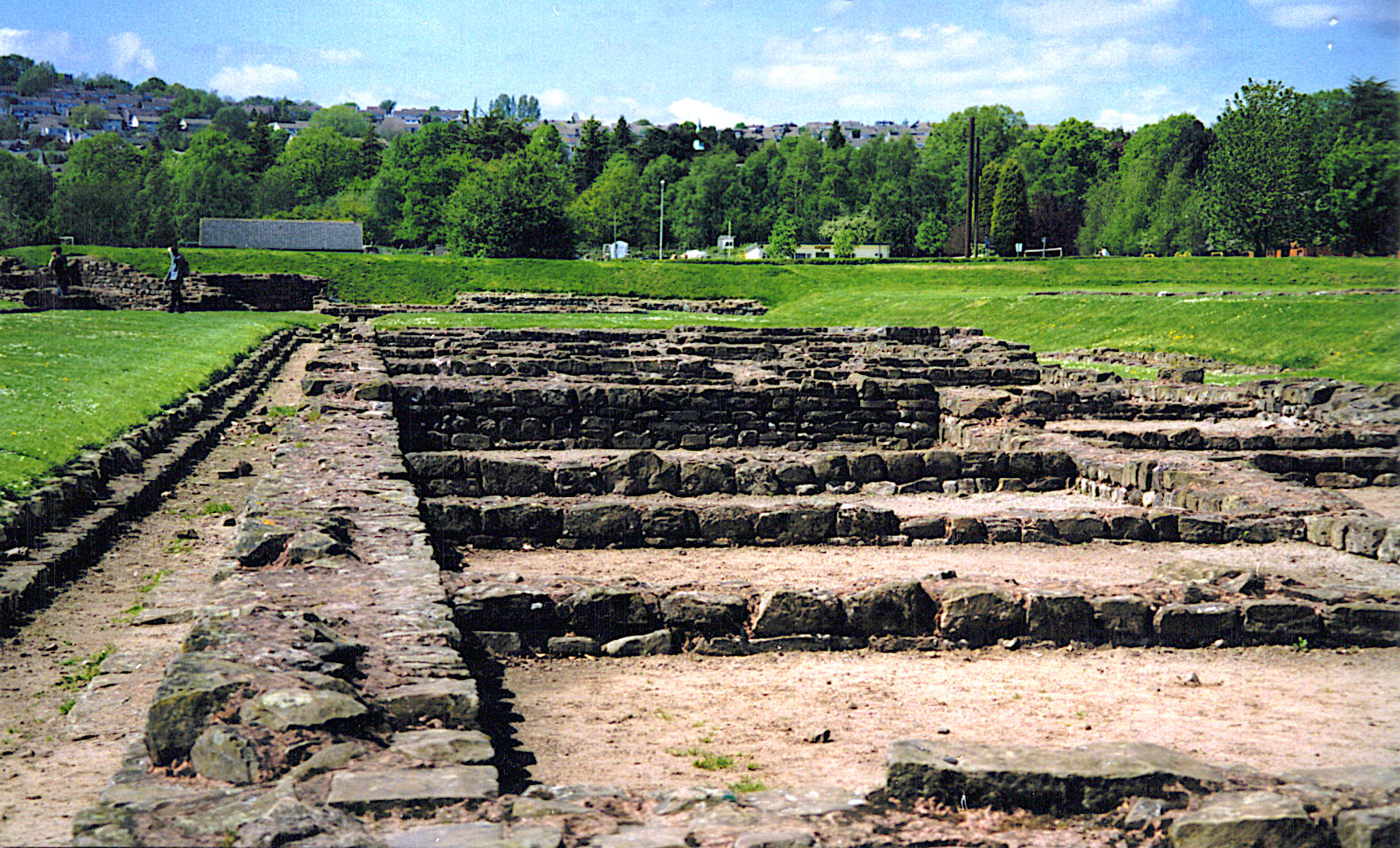
Part I: South Wales Caerleon Britain's best collection of Roman ruins; amphitheatre, fort & barracks, and museum built over the ruins of a Roman bathhouse. Caerleon Ampitheatre
Caerleon: Roman Fort
Pen-y-Clawdd Court Grade I listed Tudor manor house in Llanvihangel Crucorney, Monmouthshire. Our accommodations for four nights.
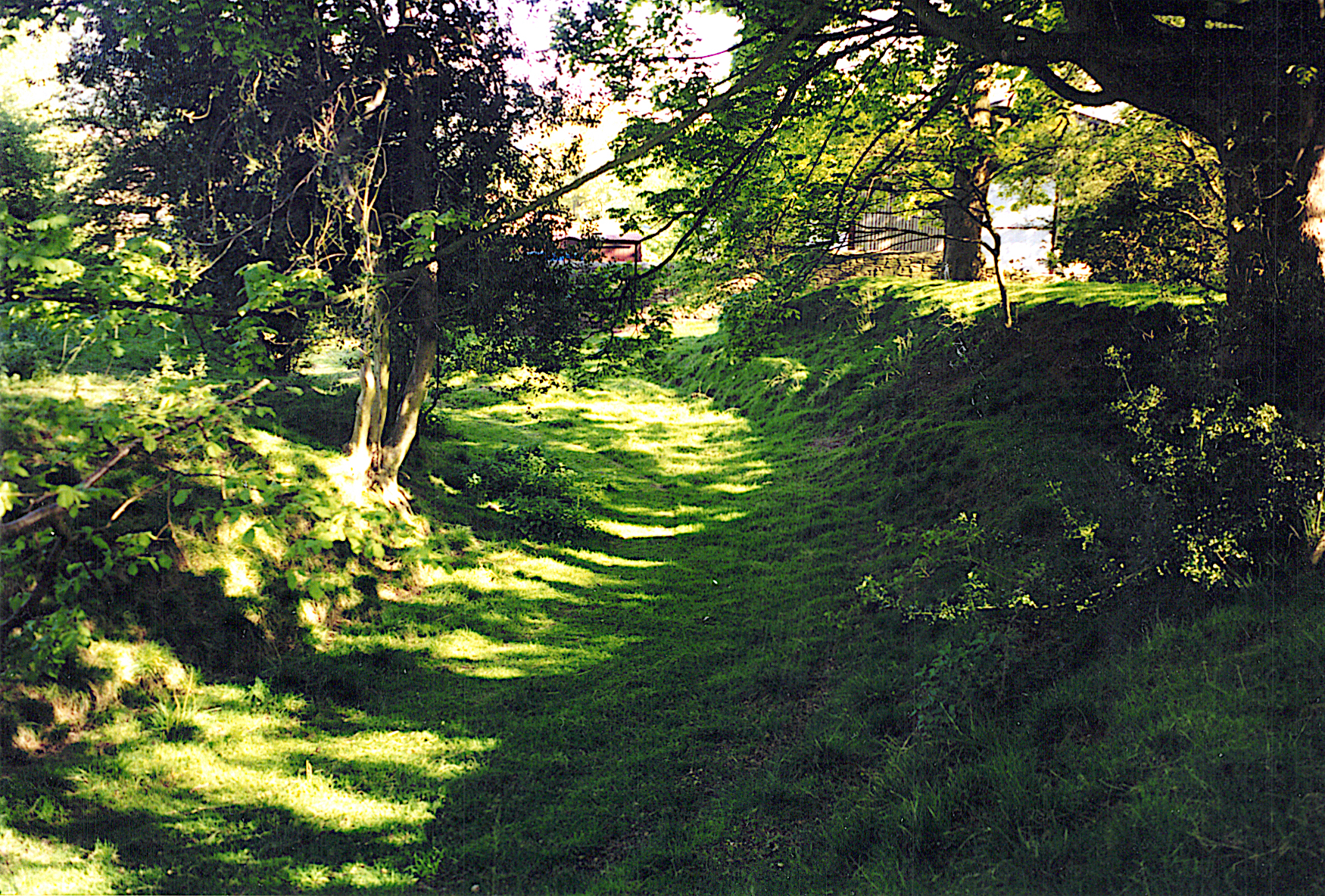
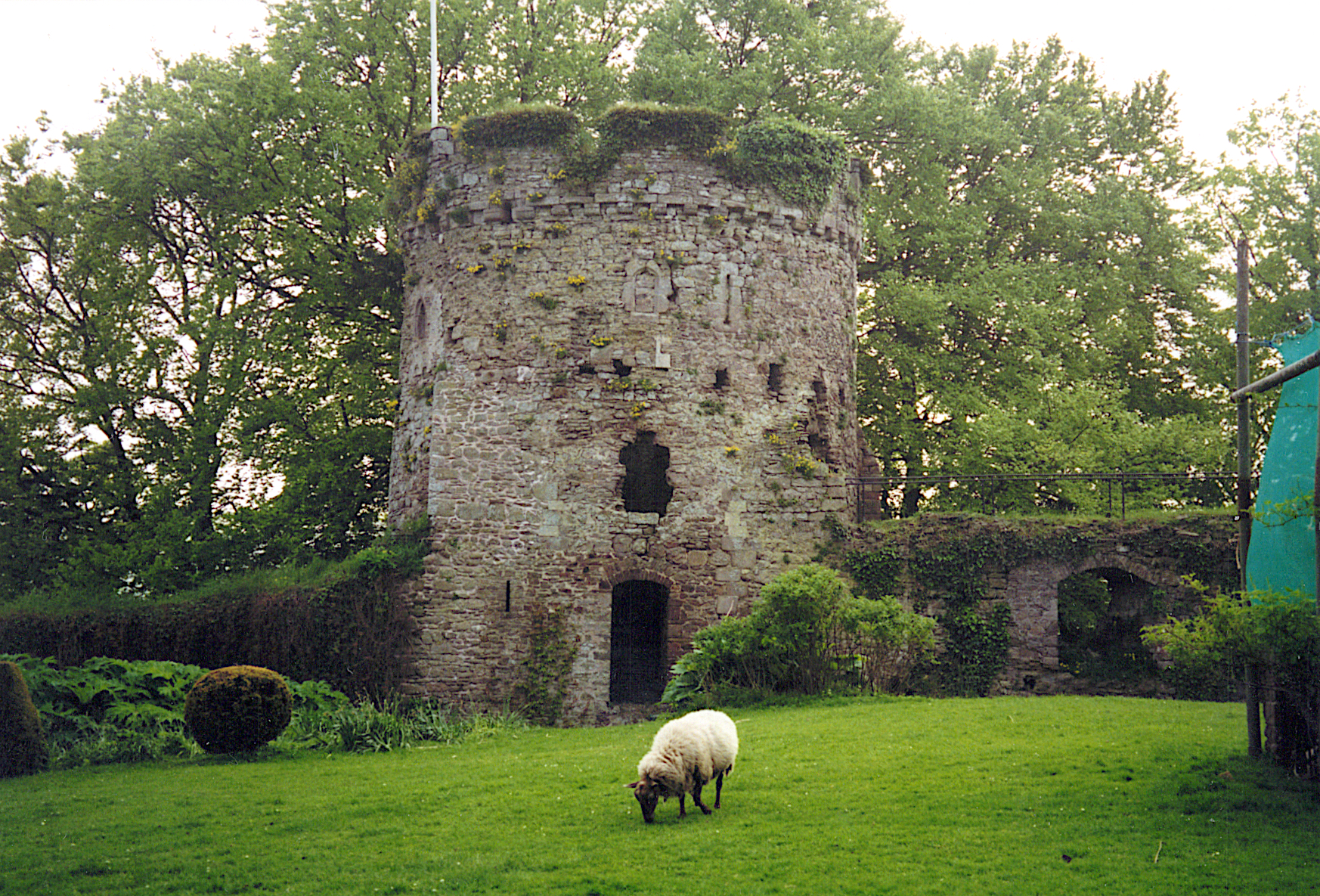
Pen y Clawdd Castle in back of the Manor House
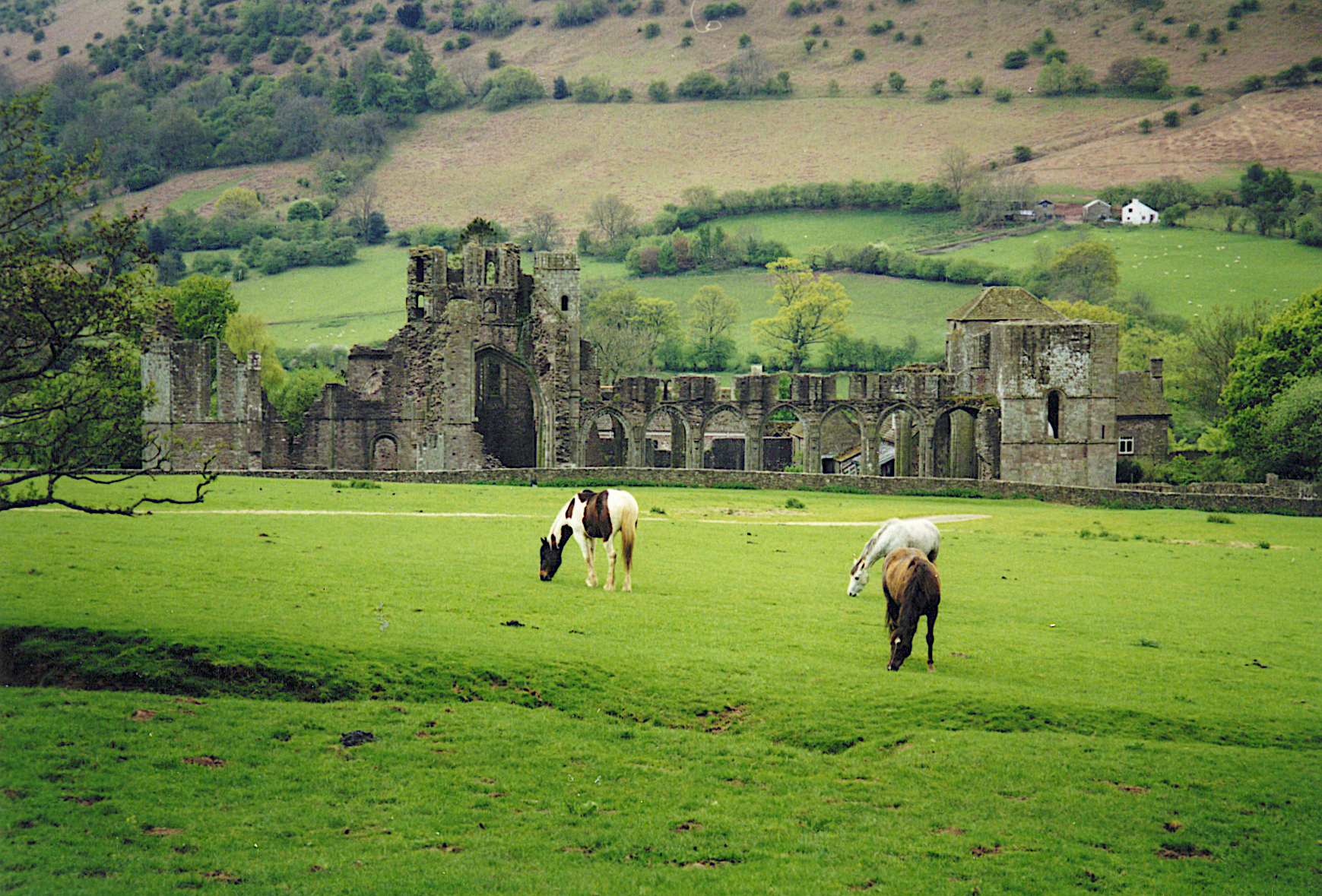
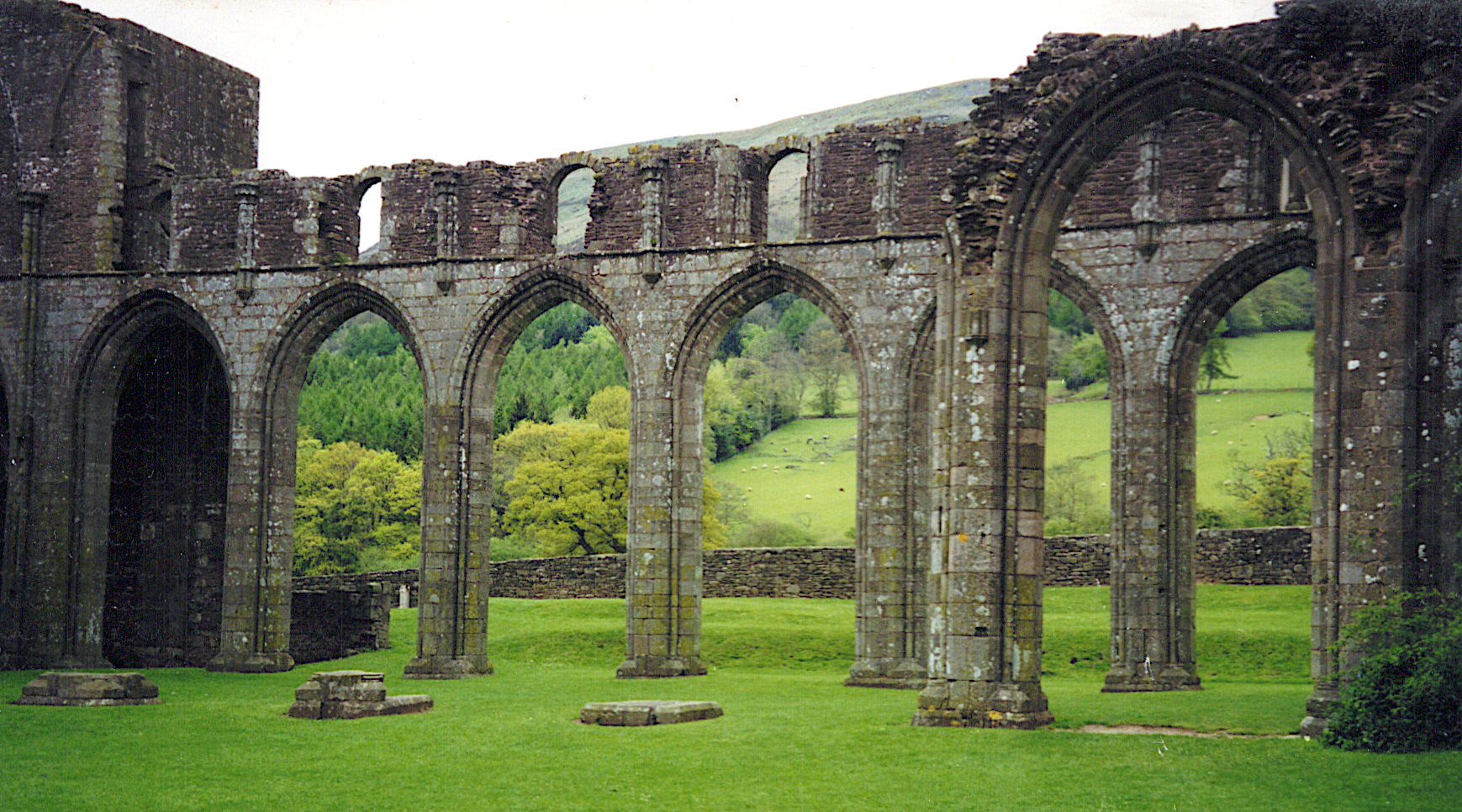
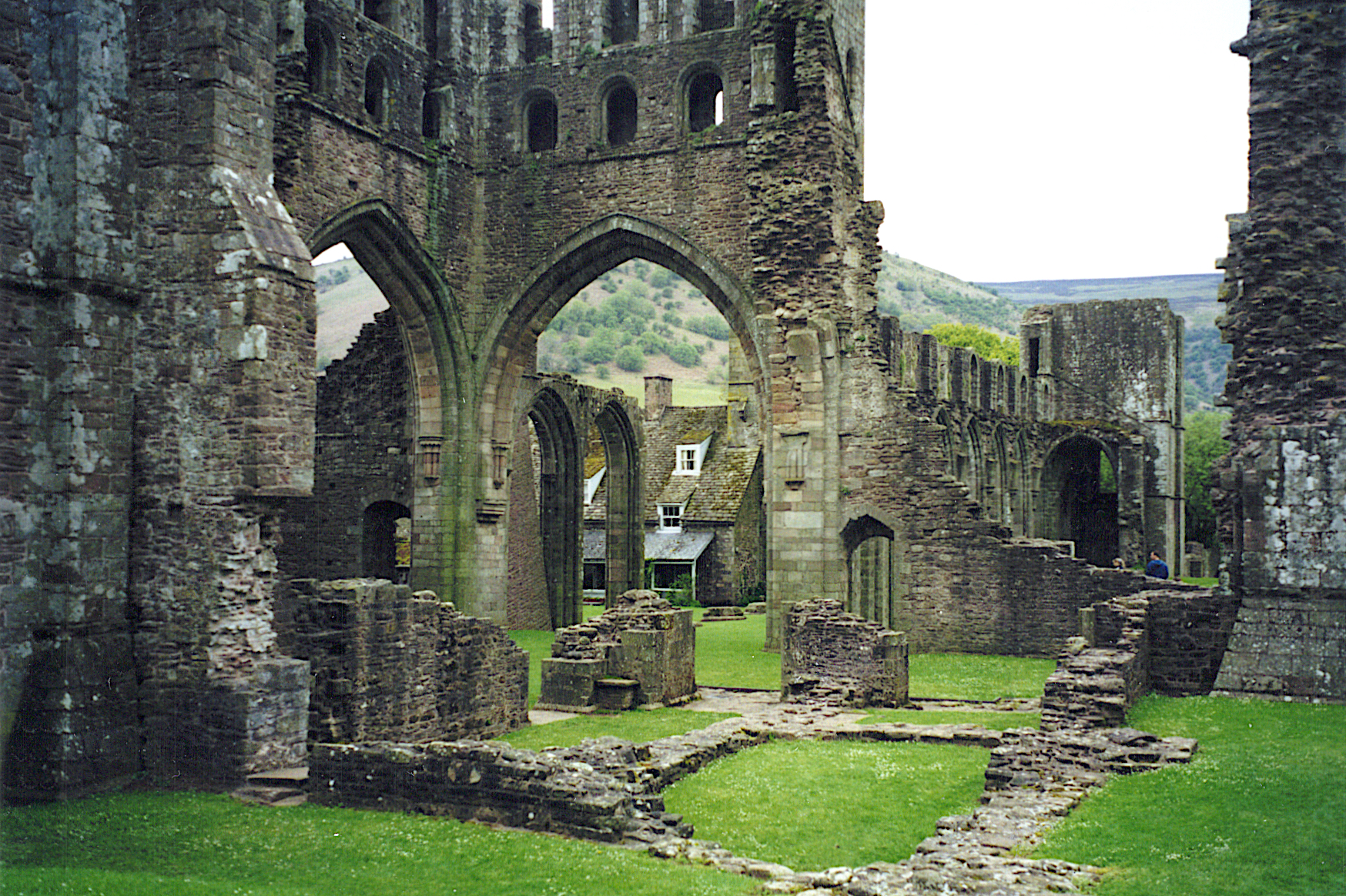
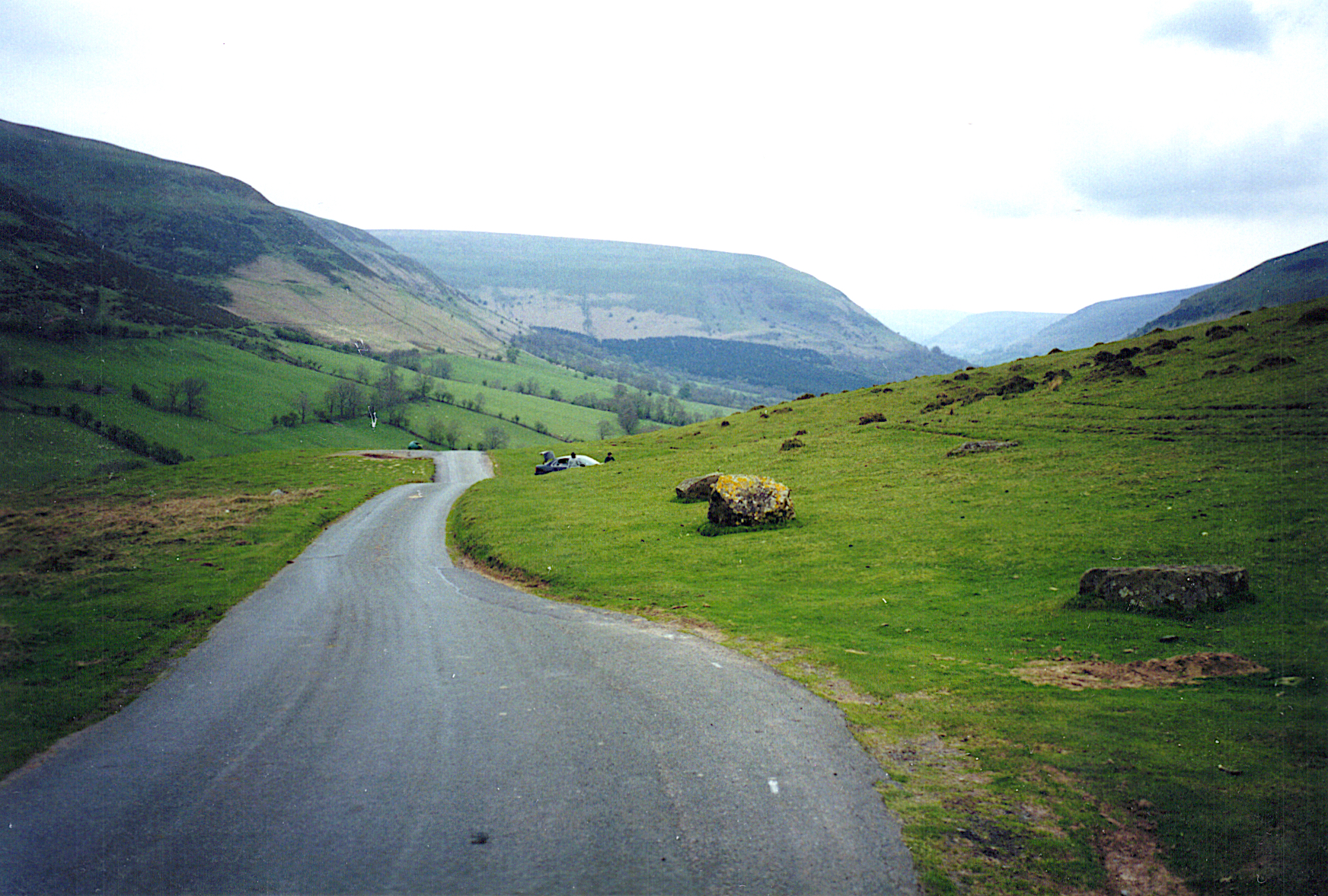
Ruined former Augustinian priory in the Vale of Ewyas, within the Black Mountains, Brecon Beacons National Park.
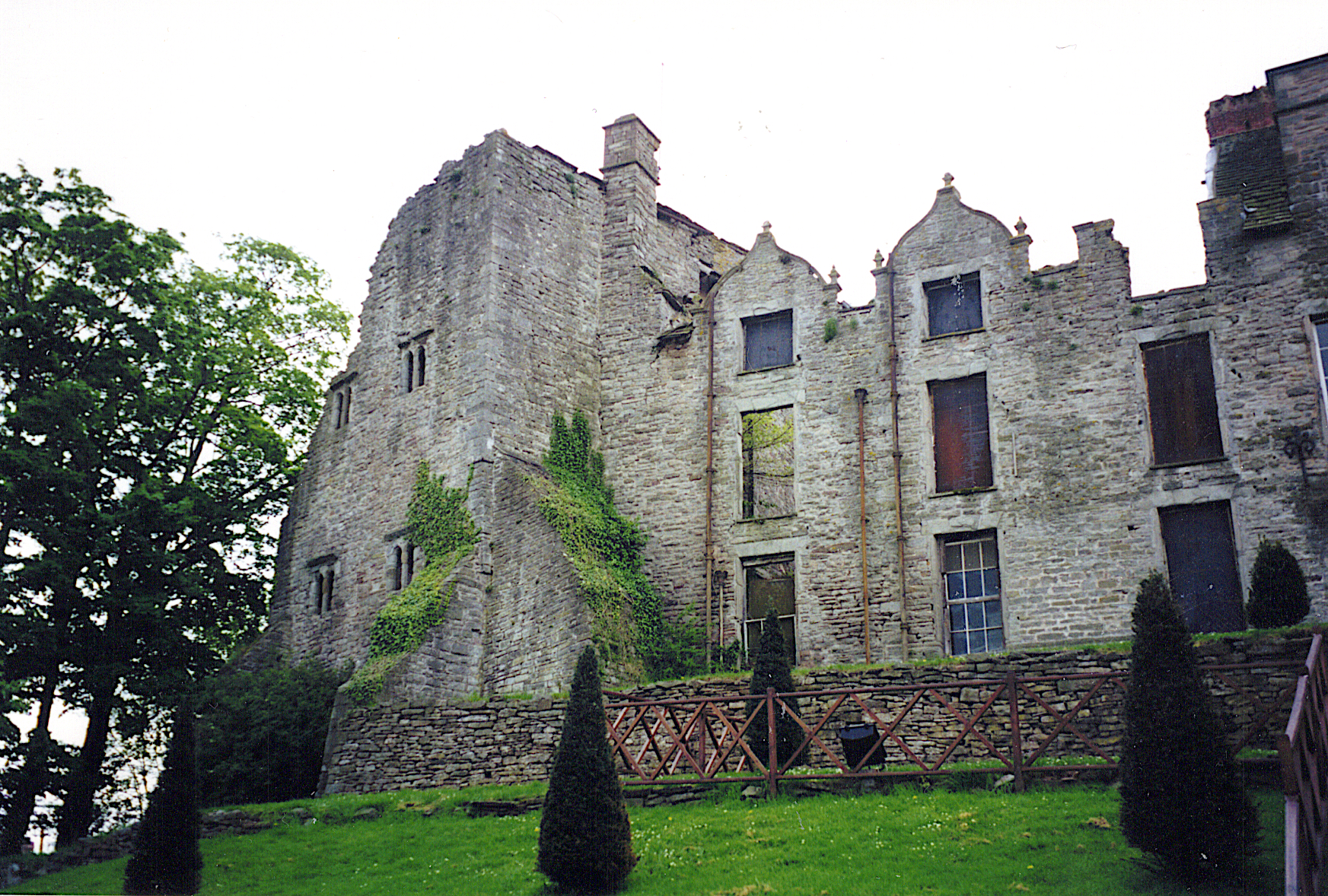
11th or 12th century Norman castle and 17th-century mansion house in Hay-on-Wye in Powys. Originally a ringwork. Lots of bookshops to browse and lunch with a pint (as usual) at the Blue Boar.
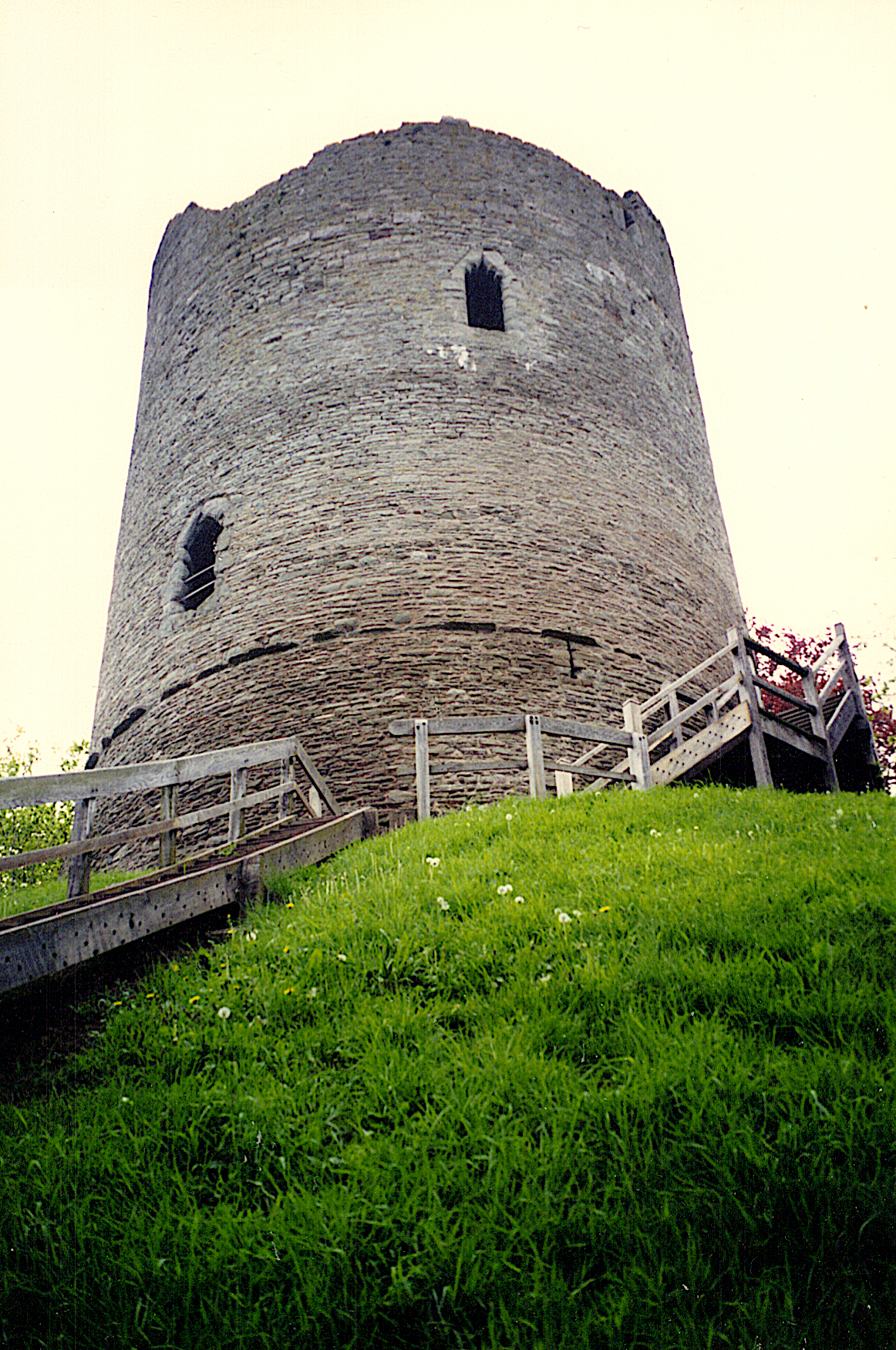
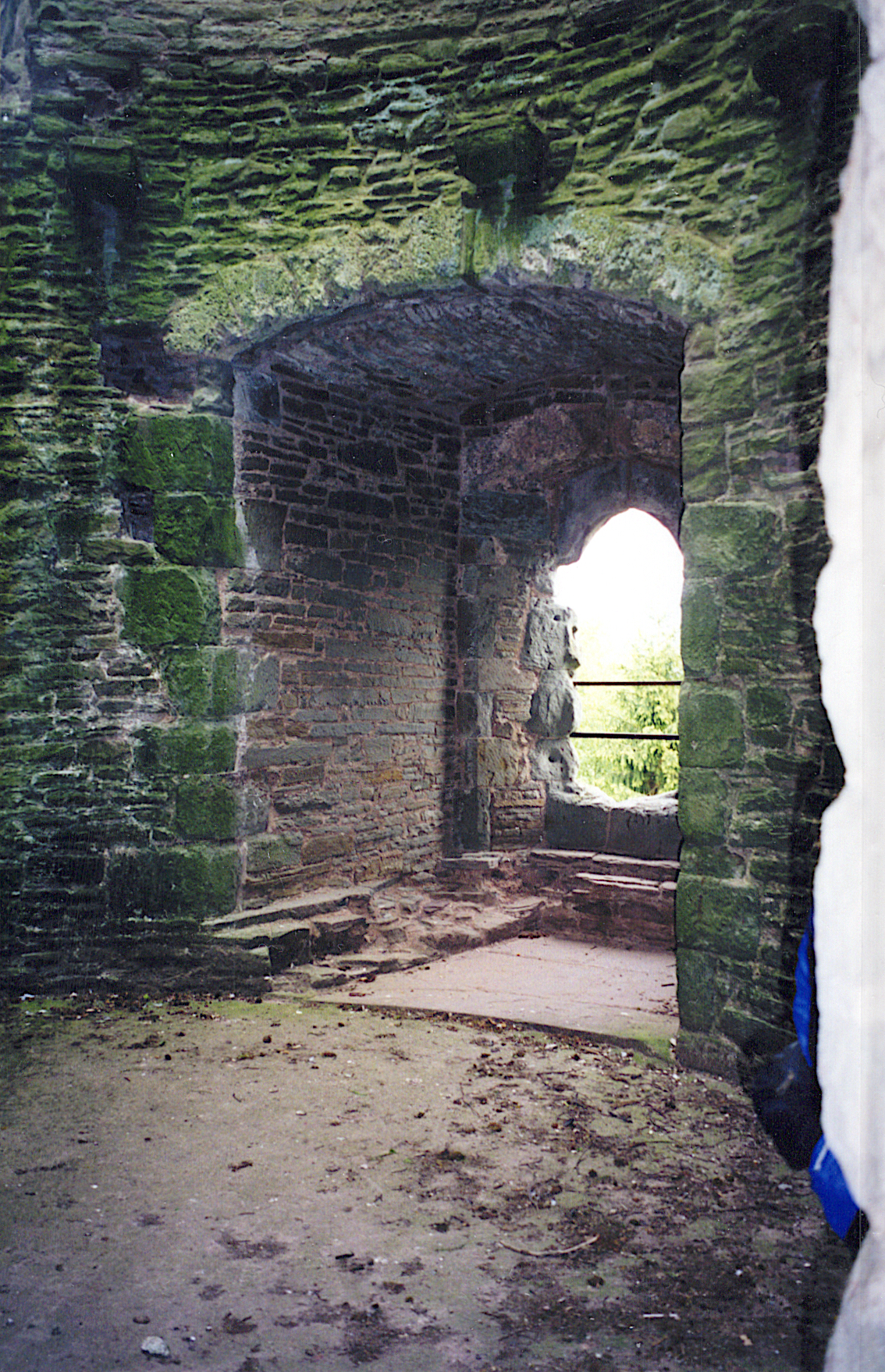
Motte and bailey castle south of Bronllys, in Powys. Large round tower on the motte dates from the mid-12th century. Not much to see here other than the tower, although the motte is impressive. A modern house occupies the bailey.
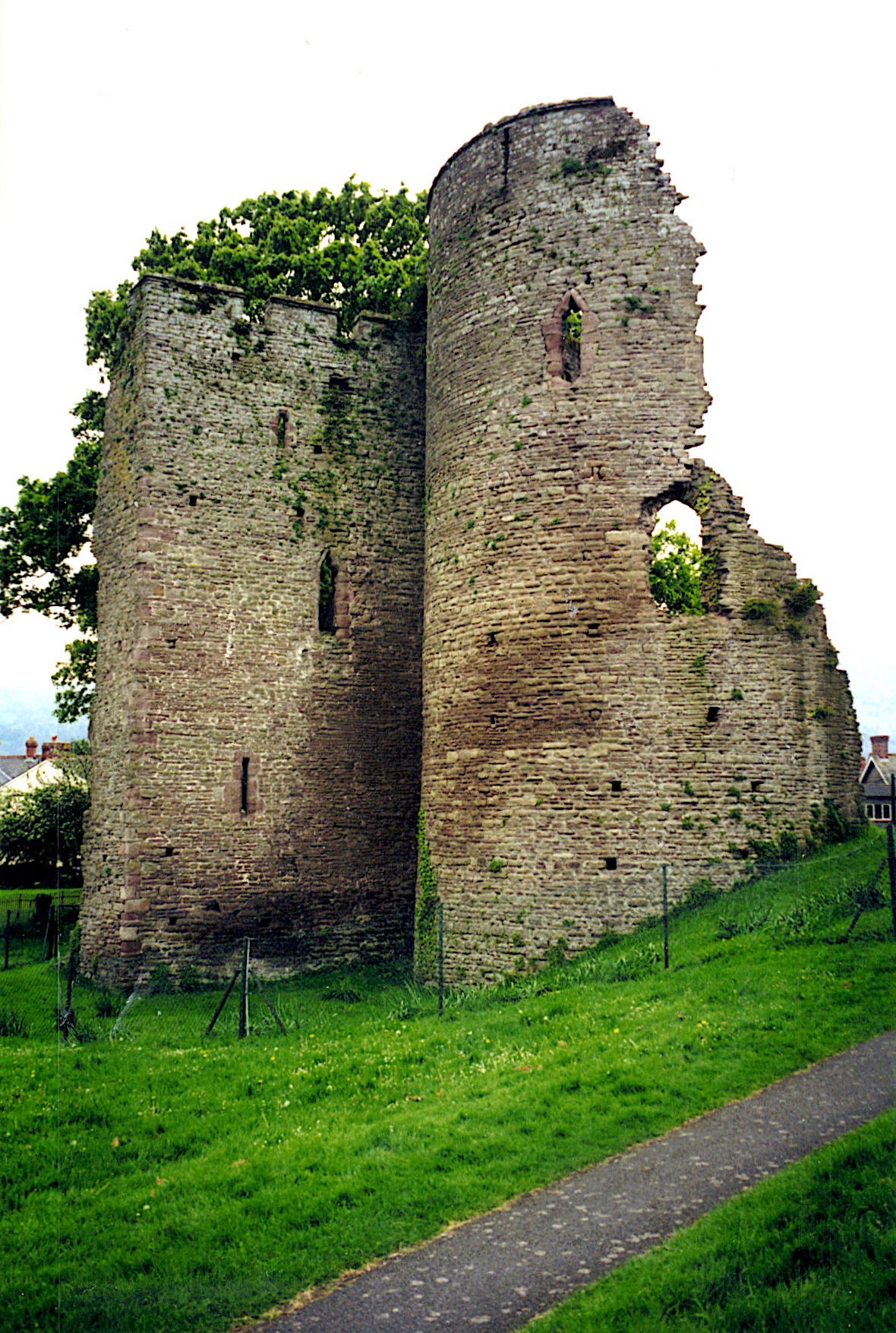
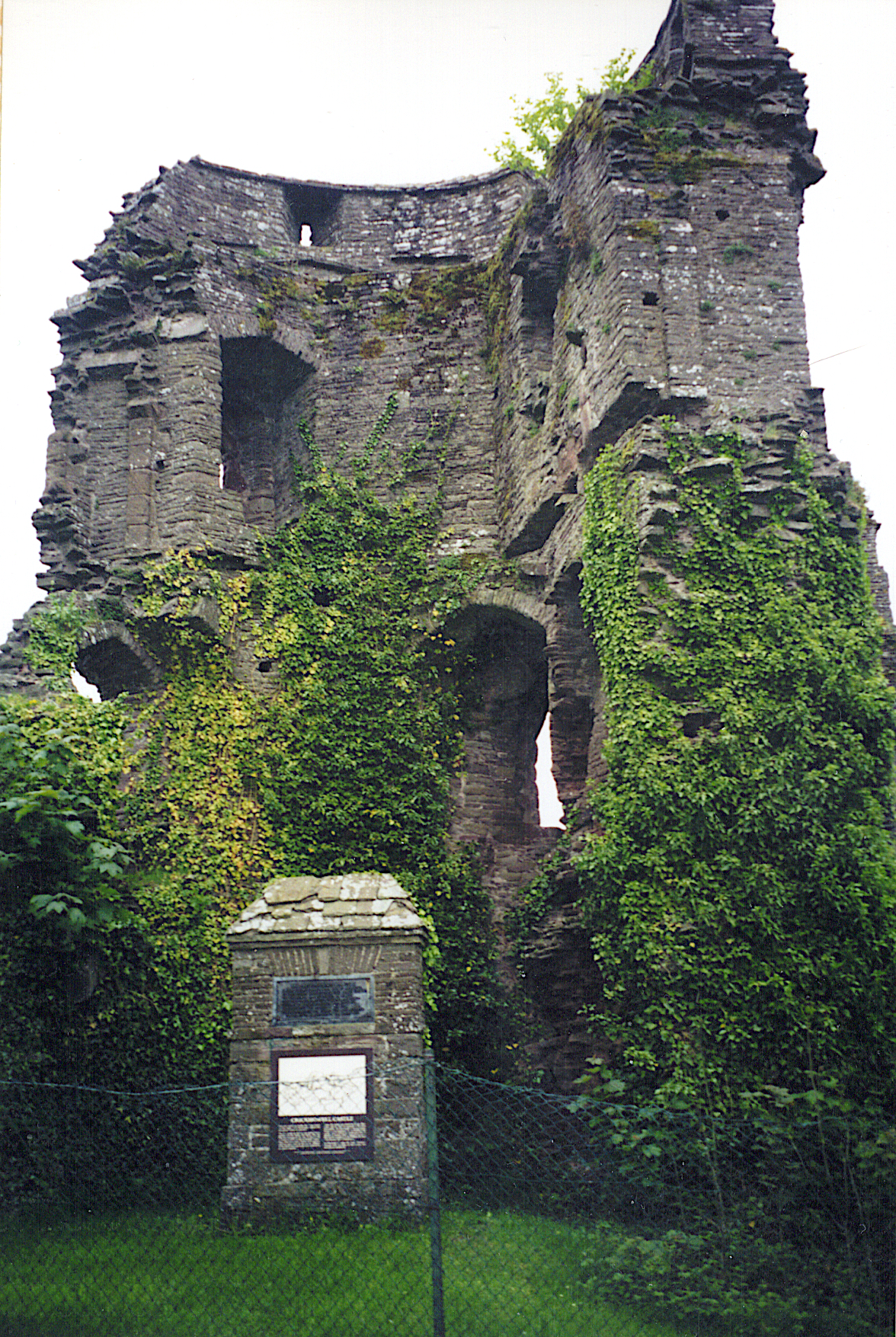
Originally a motte and bailey dating from ca. 1121. Refortified in stone and largely destroyed in 1403 by Owain Glyn Dwr. More here than meets the eye. Once a very large castle with a tall motte and wide bailey. There's a children's playground in the bailey.
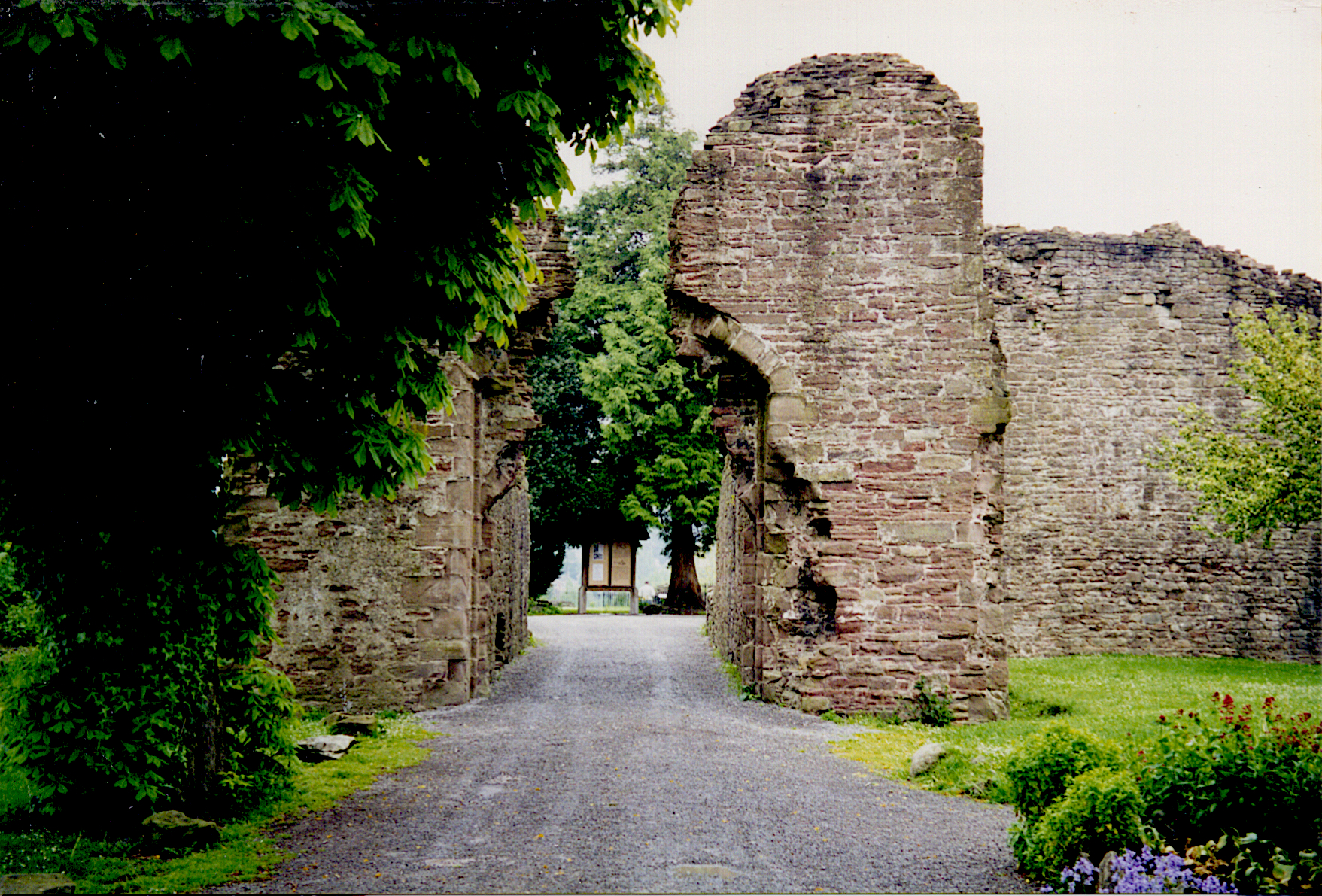
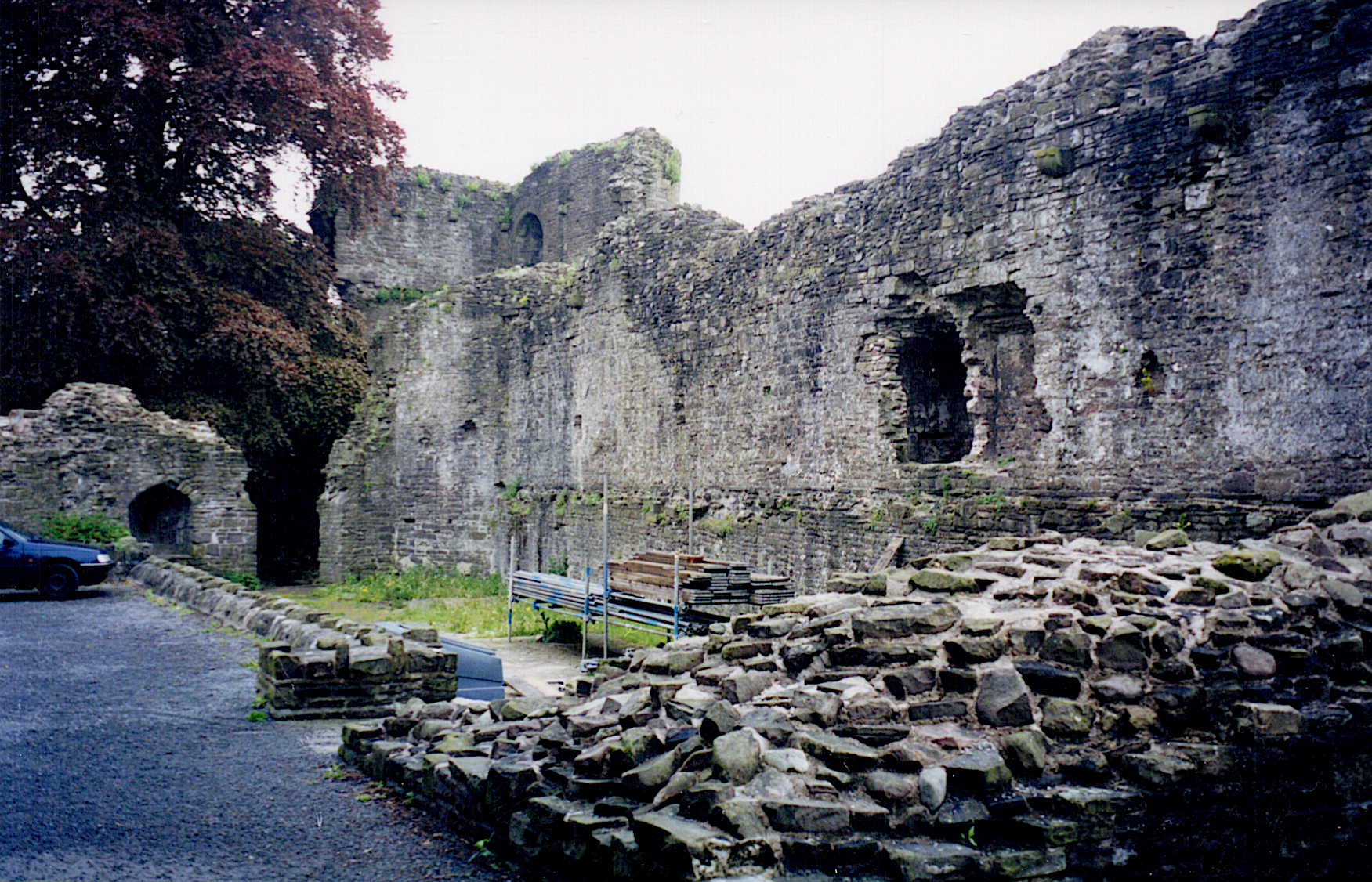
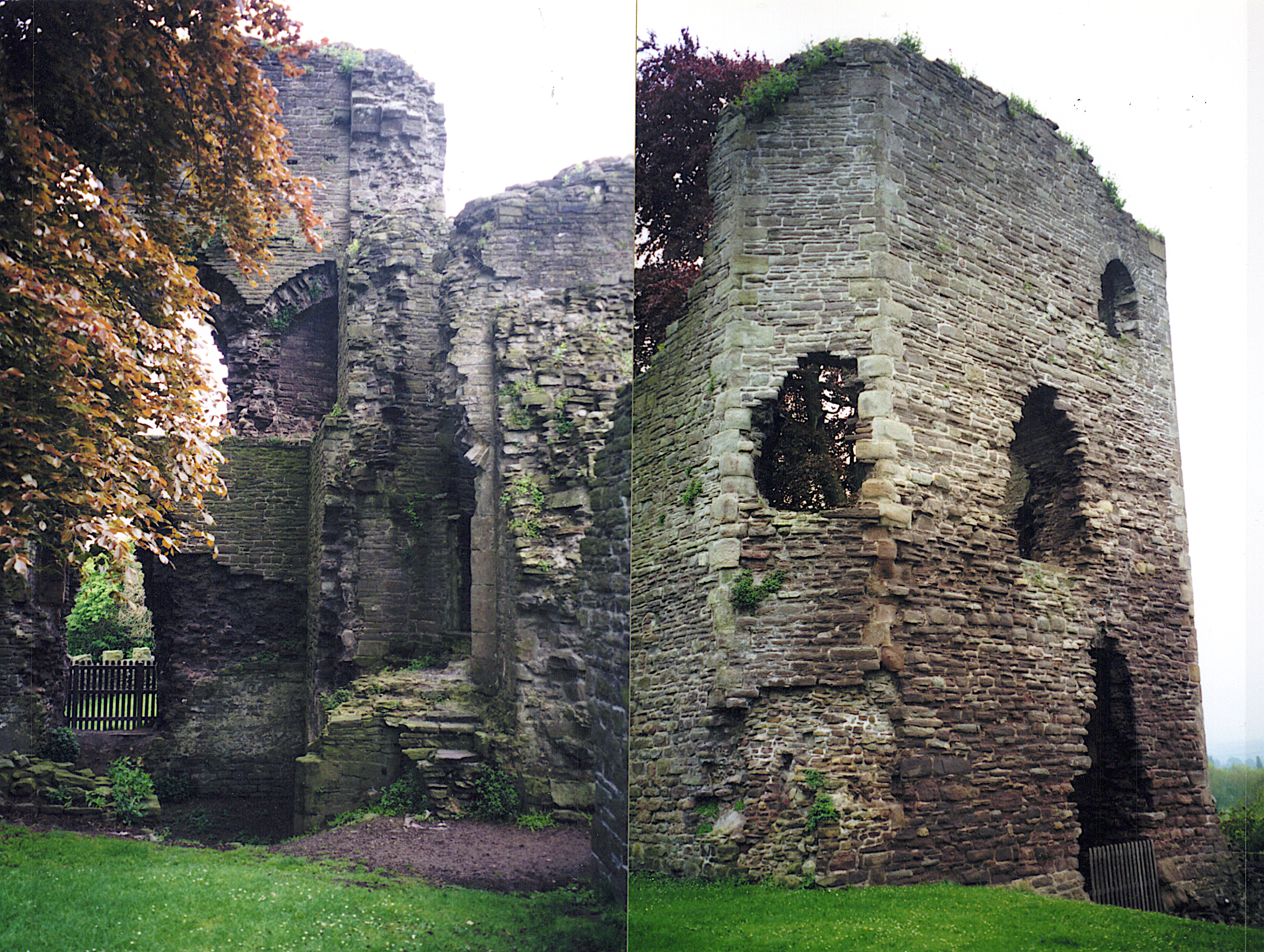
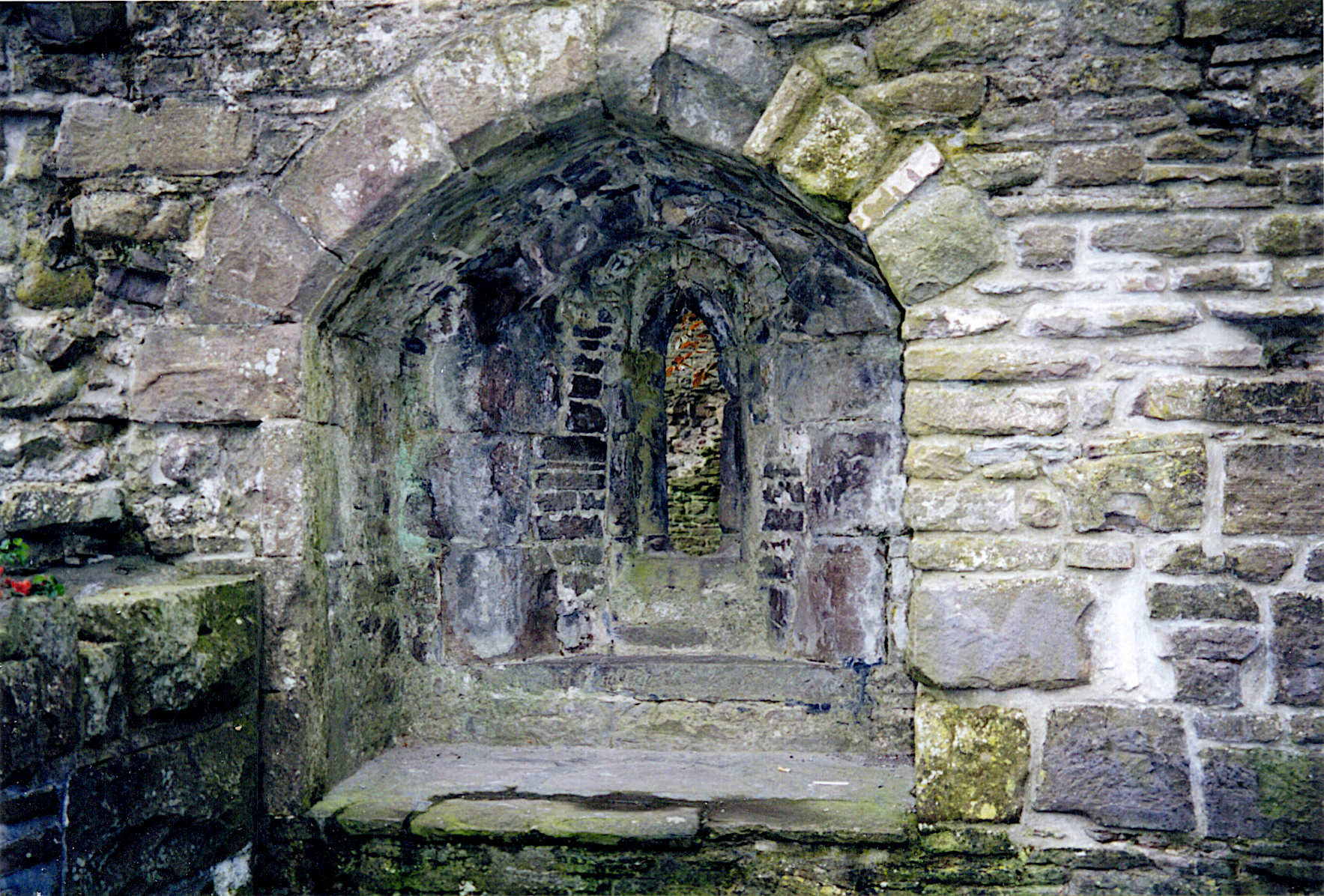
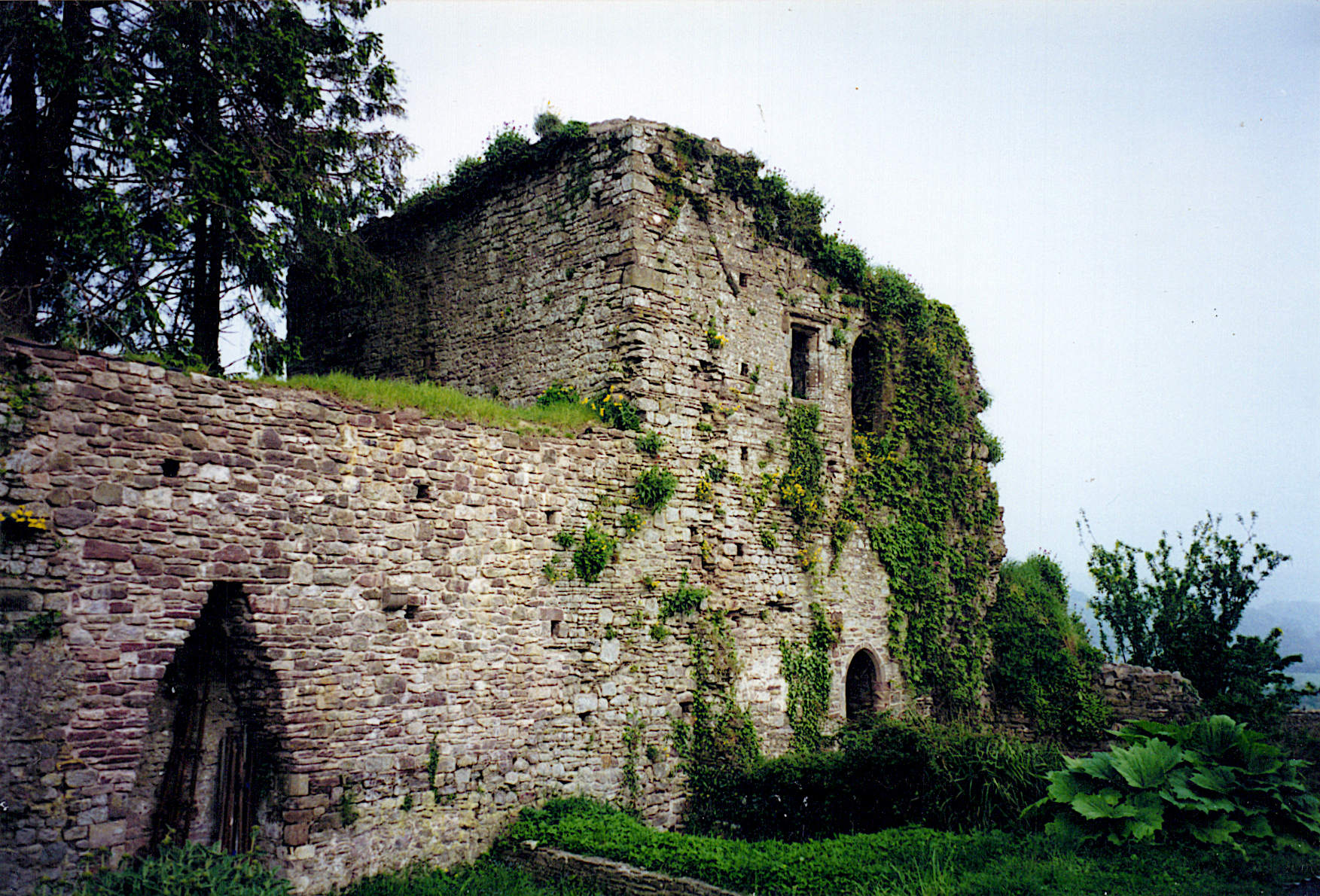
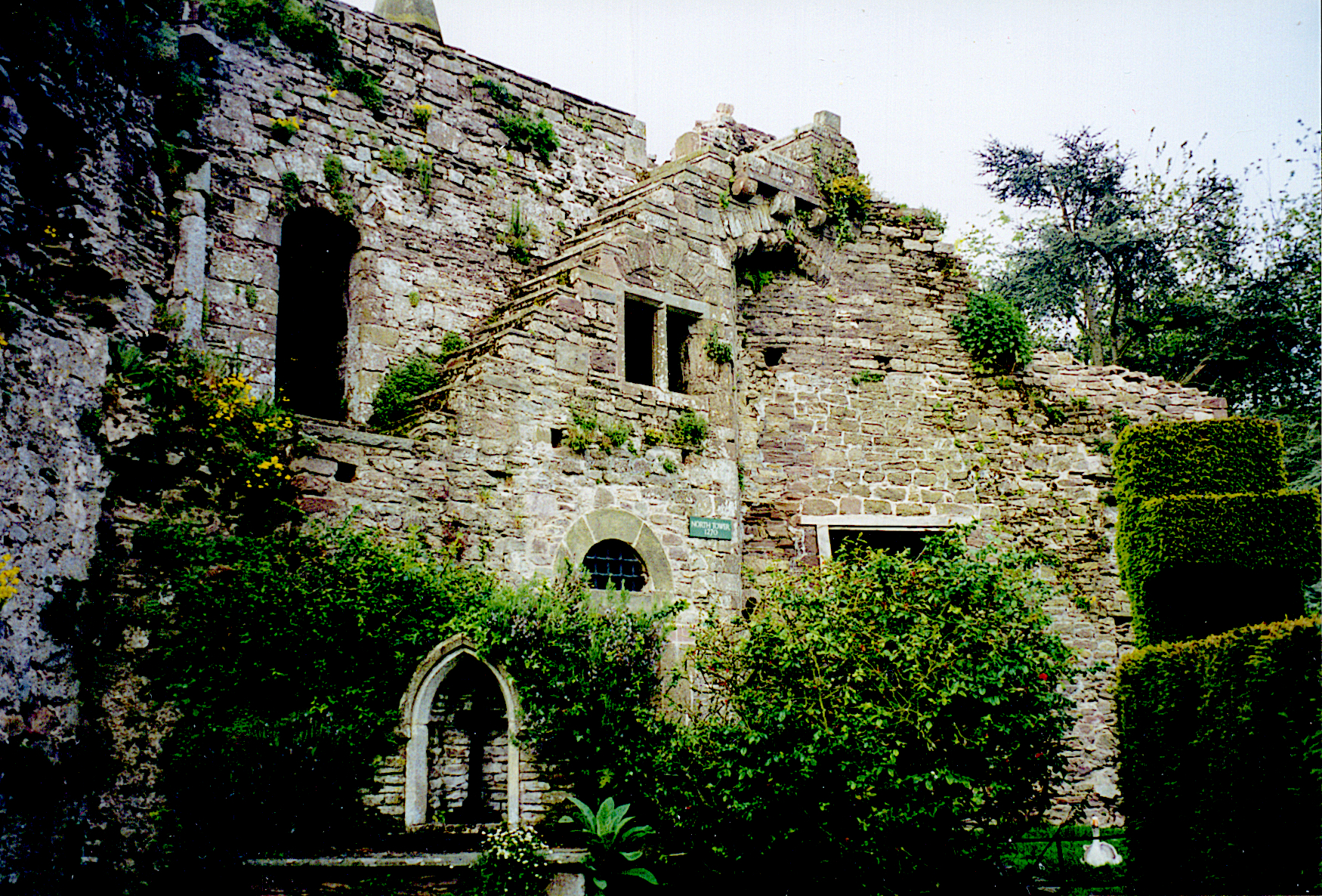
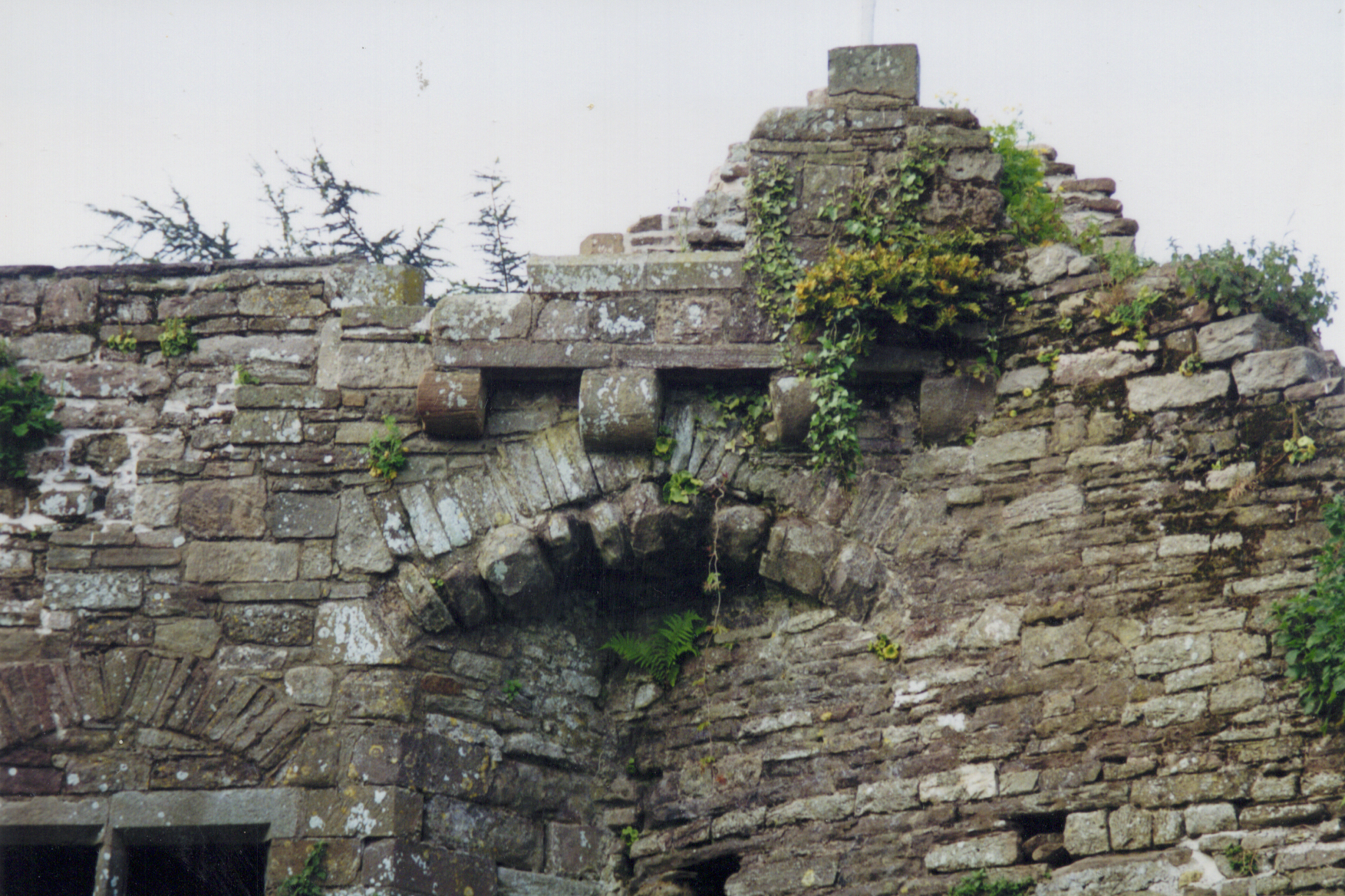
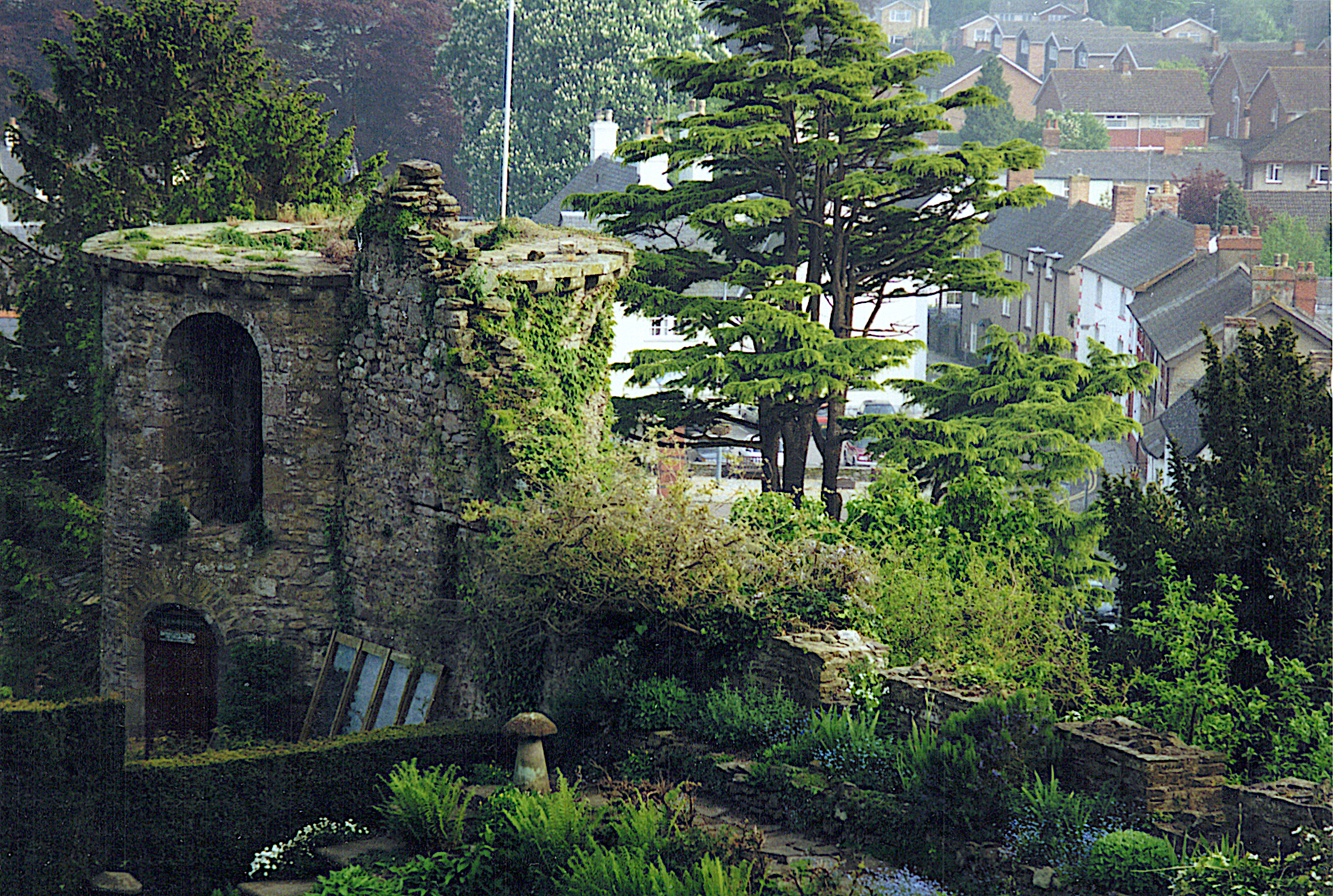
Original castle dates from c.1087. Site of a massacre of Welsh noblemen in 1175, carried out by the Norman William de Braose. A dark and gloomy castle that matches its history. Not substantial.
Established by the Normans in the wake of the invasion of England in 1066. Rebuilt in stone at the end of the 12th century.
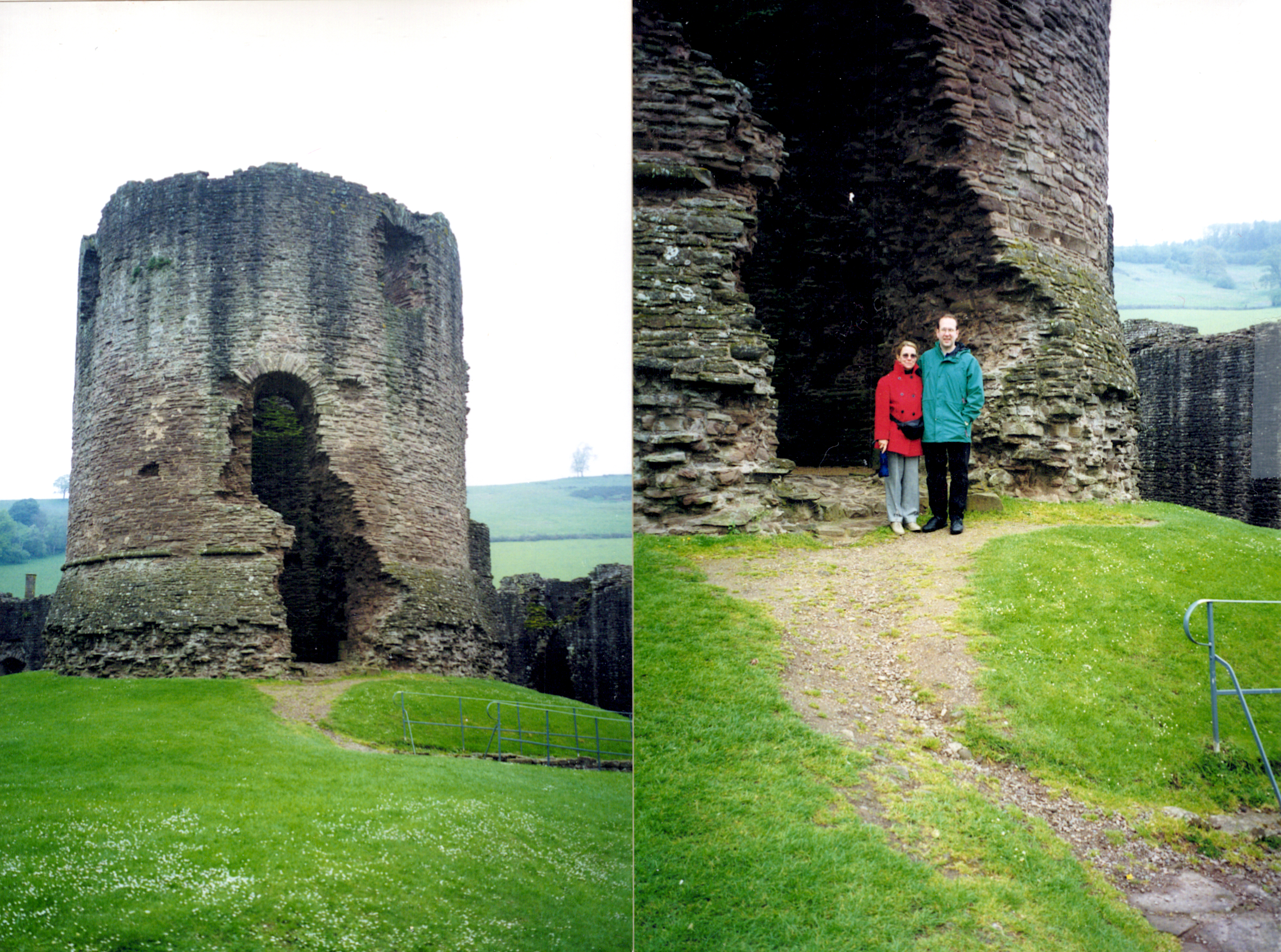
Below: Jeff and Welsh historian Richard Williams at Skenfrith Castle
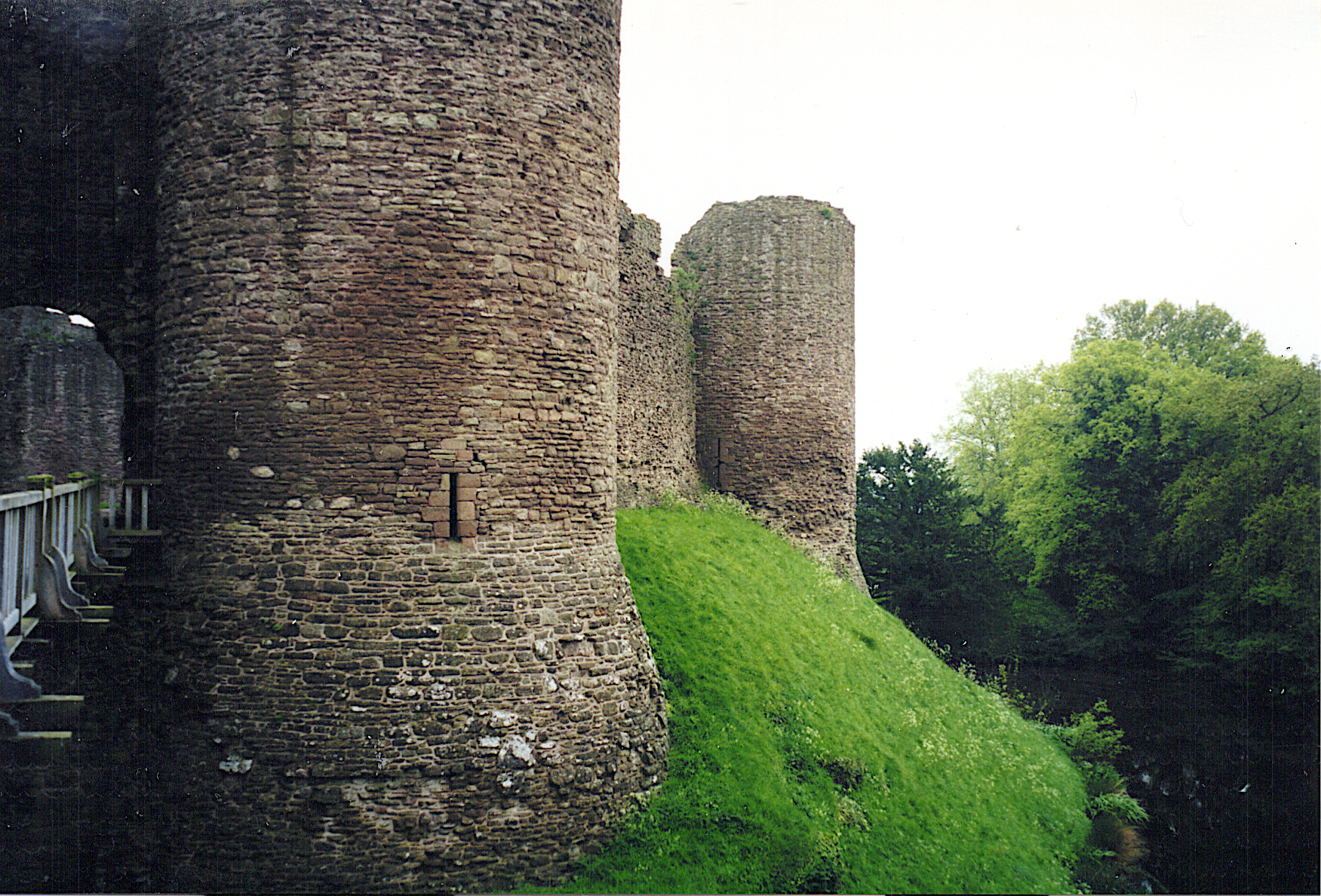
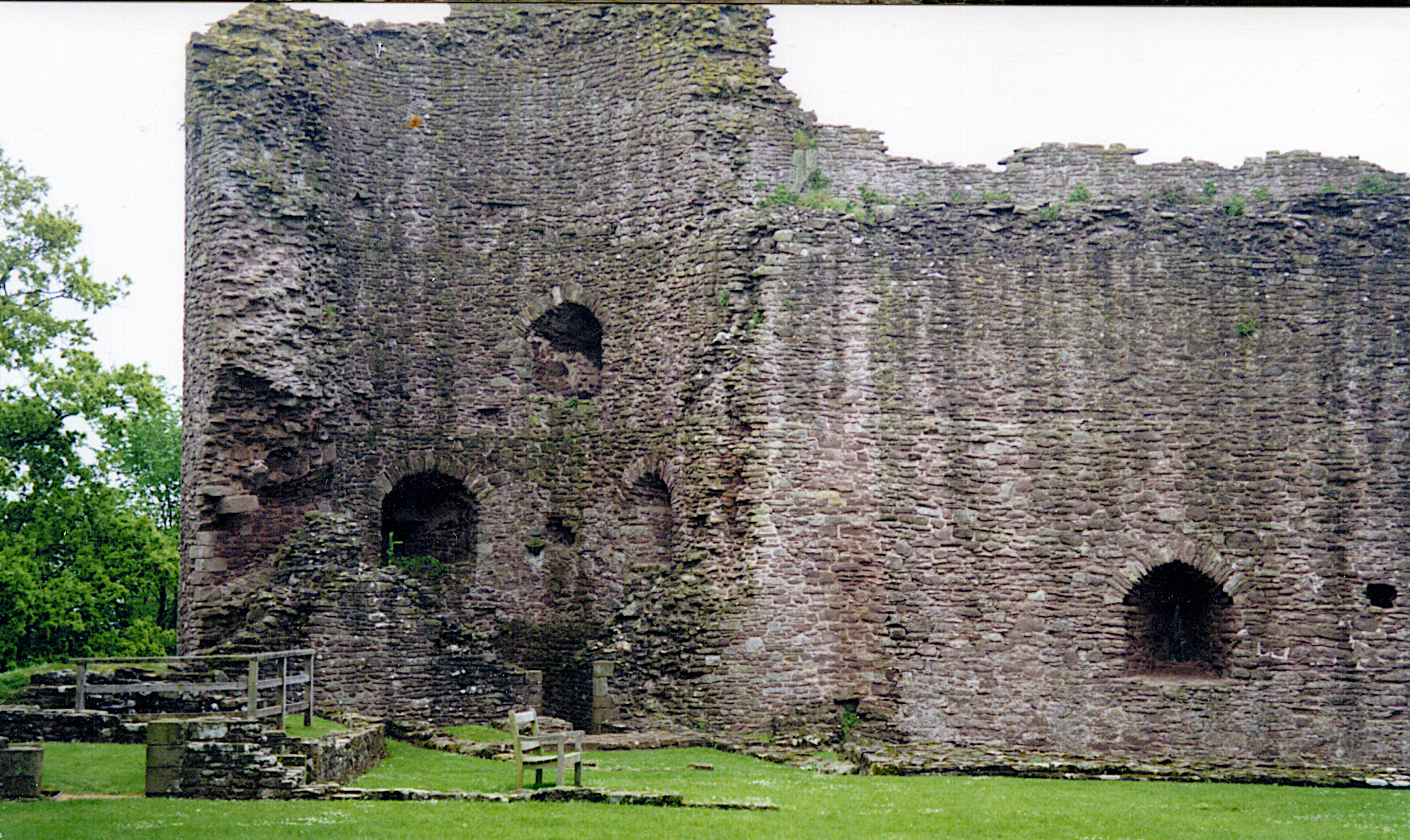
Late 11th-century castle; part of a trio of 11th-12th century castles built in the Monnow Valley.
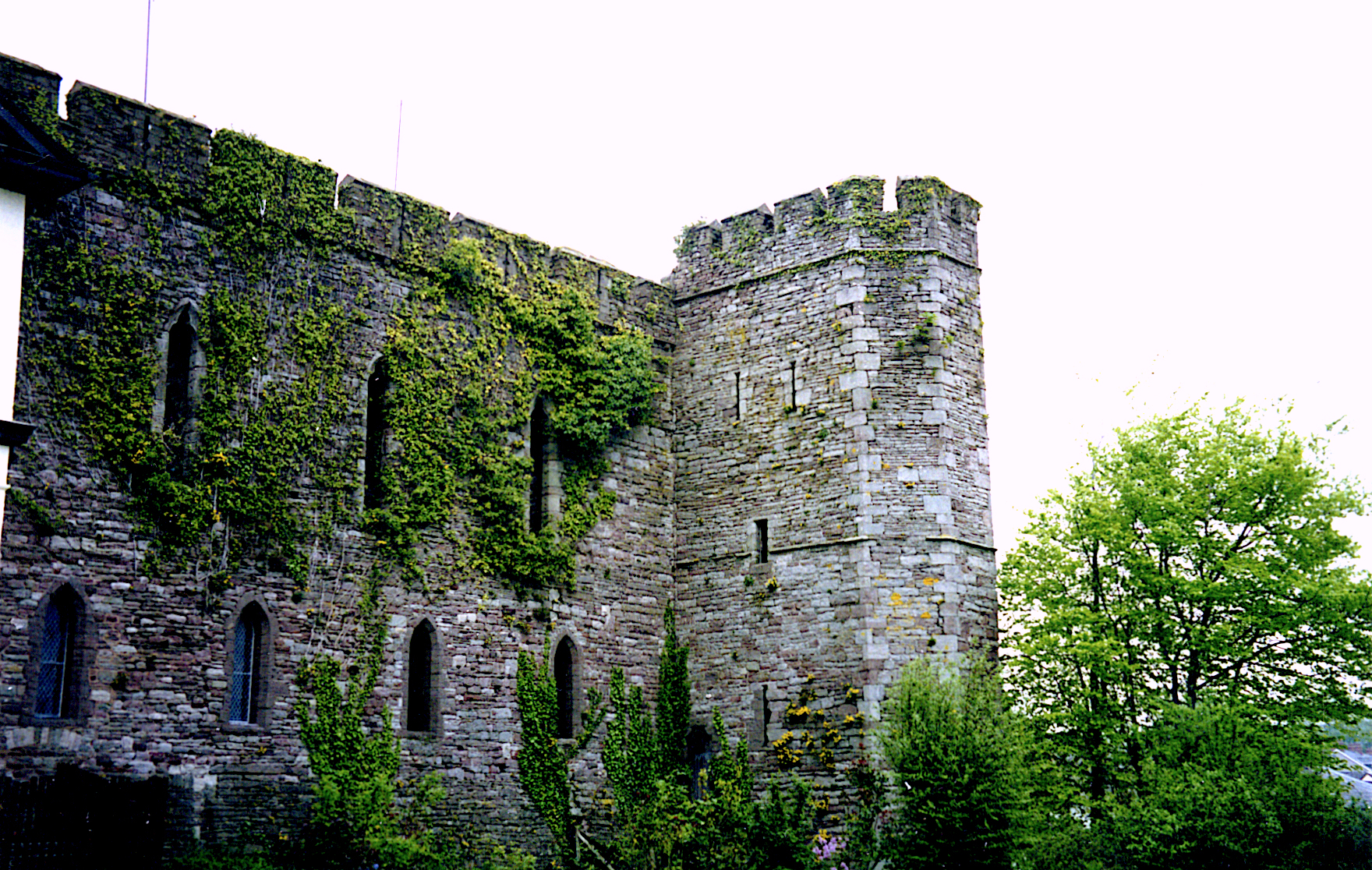
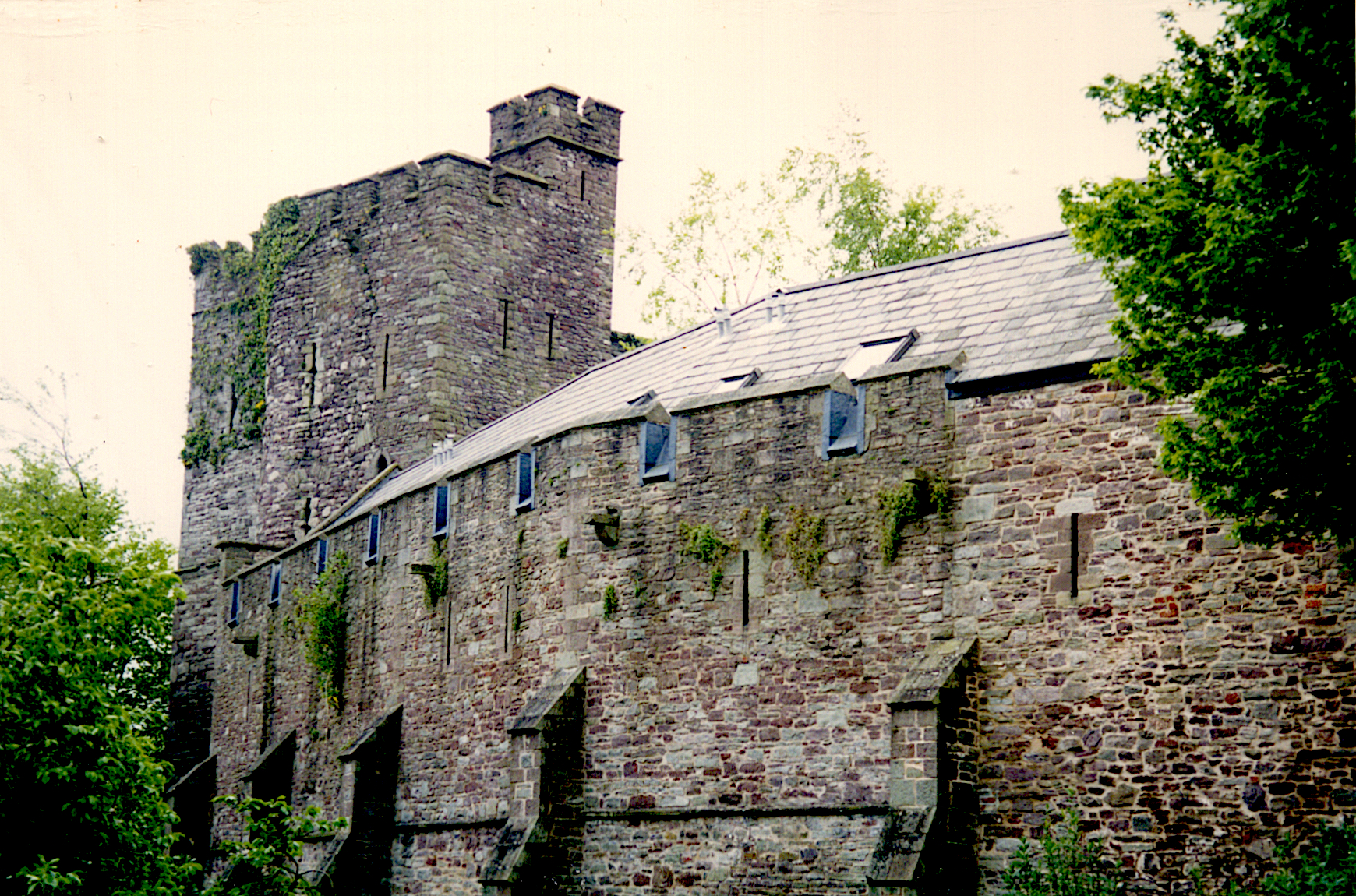
Originally built in 1093 and was frequently attacked by the Welsh in 13th and 15th centuries. Converted to a hotel. The medieval castle has been pretty much swallowed by the later buildings and hotel. Still a good place for a pint.
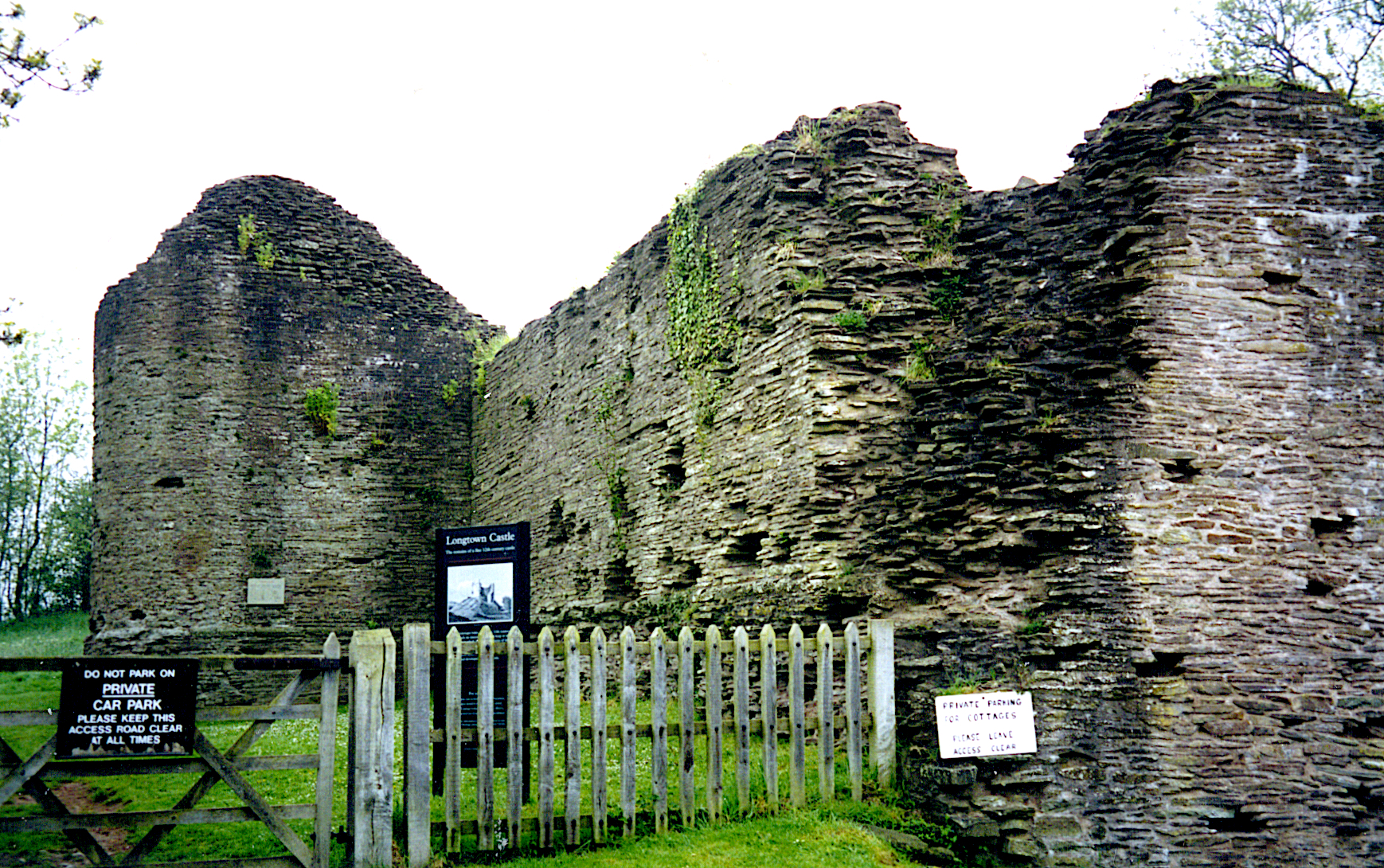
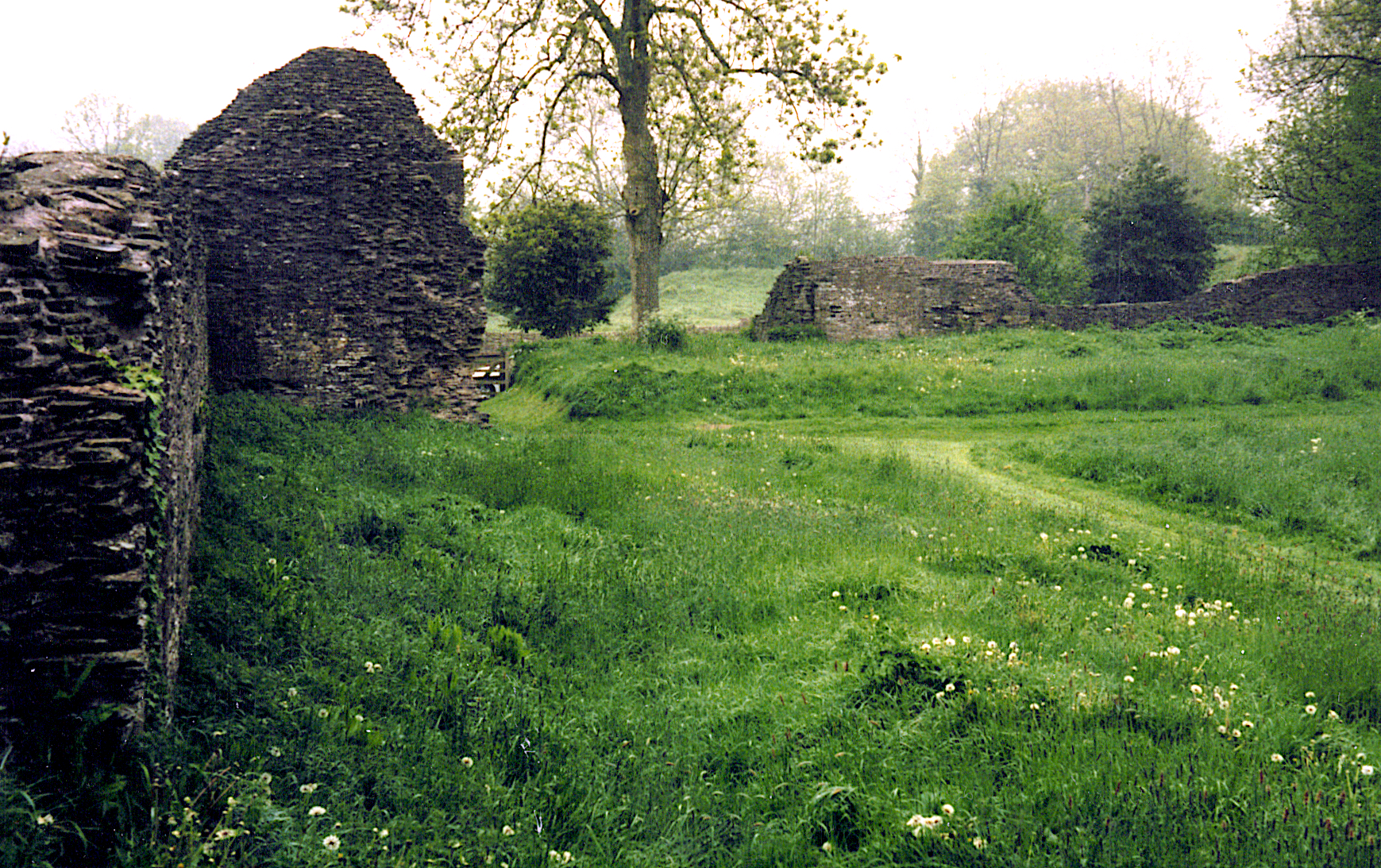
Norman motte-and-bailey fortification in Longtown, Herefordshire. Rebuilt in stone by Gilbert de Lacy. Definitely some interesting bits here. The motte crowned by a stone keep is a highlight.
Cilmeri, Wales: Llywelyn ap Gruffydd Memorial Traditionally the site (or near) where Prince Llywelyn ap Gruffydd was killed in 1282; one of the darkest days in all of Welsh history.
One of the most complete and impressive castles along the Marches, next to the River Wye.
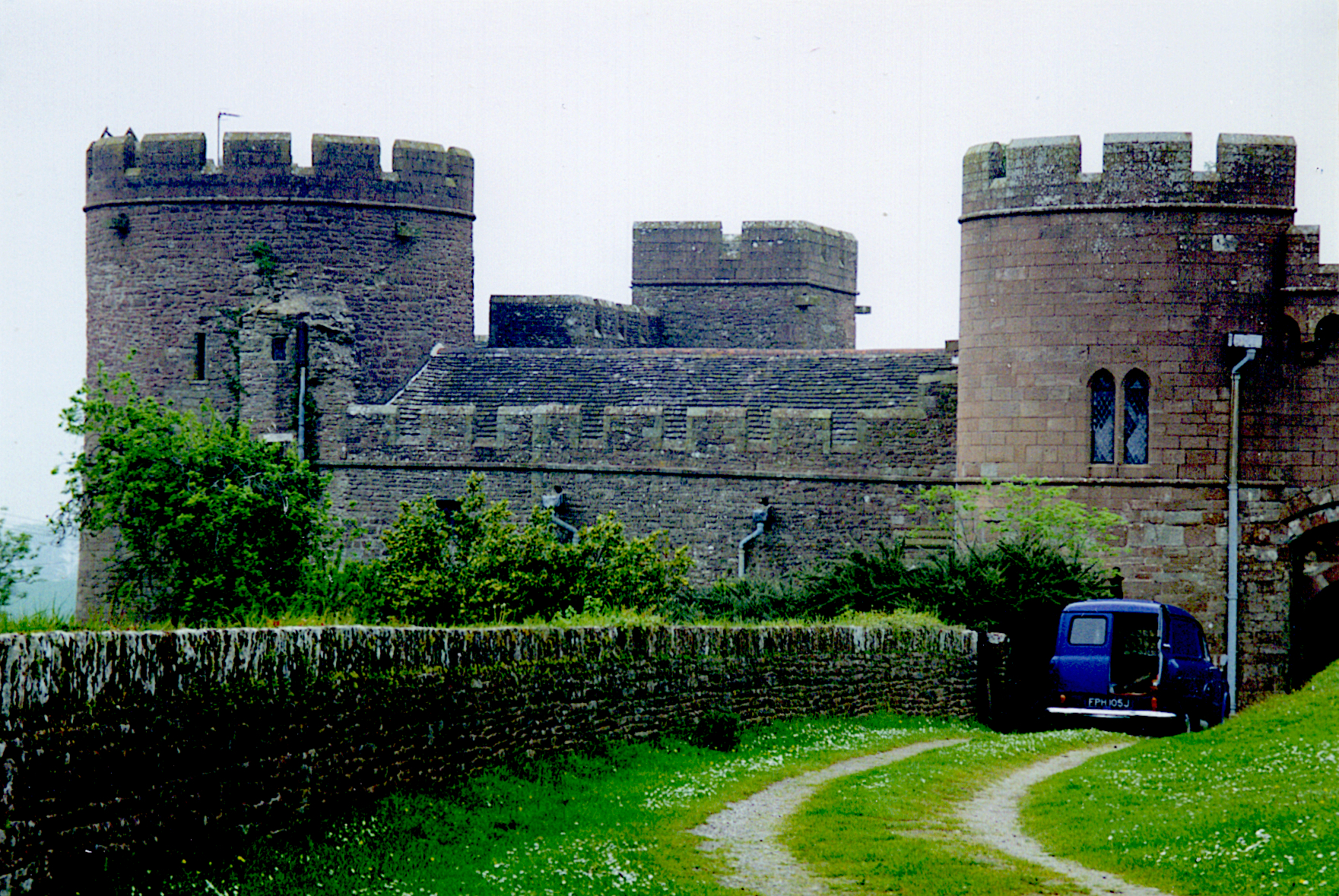
Privately owned and not open to the public. View from road only.
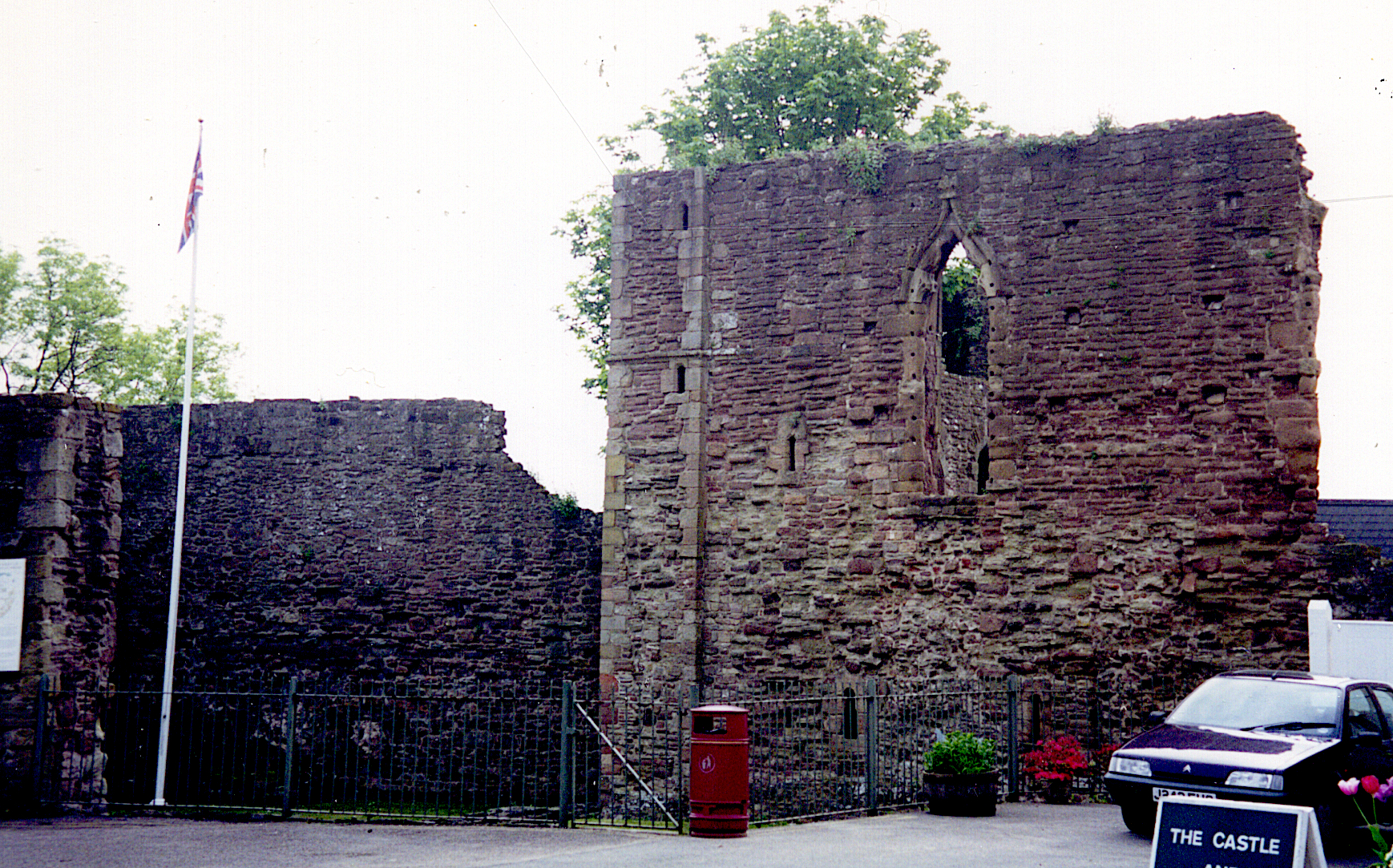
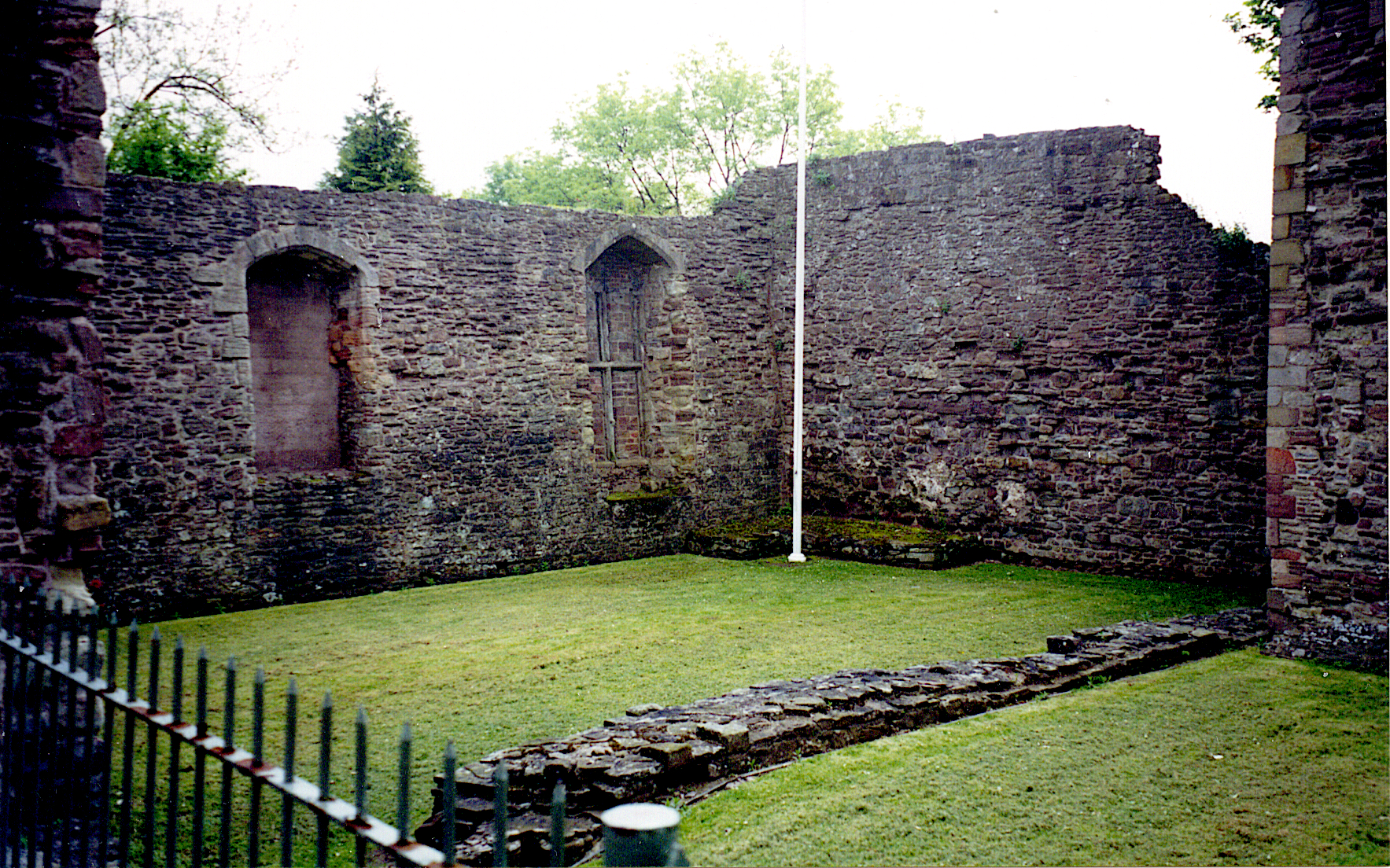
Only fragments of the castle remain. The nearby medieval Monnow Bridge is more interesting.
Substantial castle with lots to explore. Textbook Norman castle surrounded by stunning gardens. We enjoyed lunch at The Castle pub afterwards.
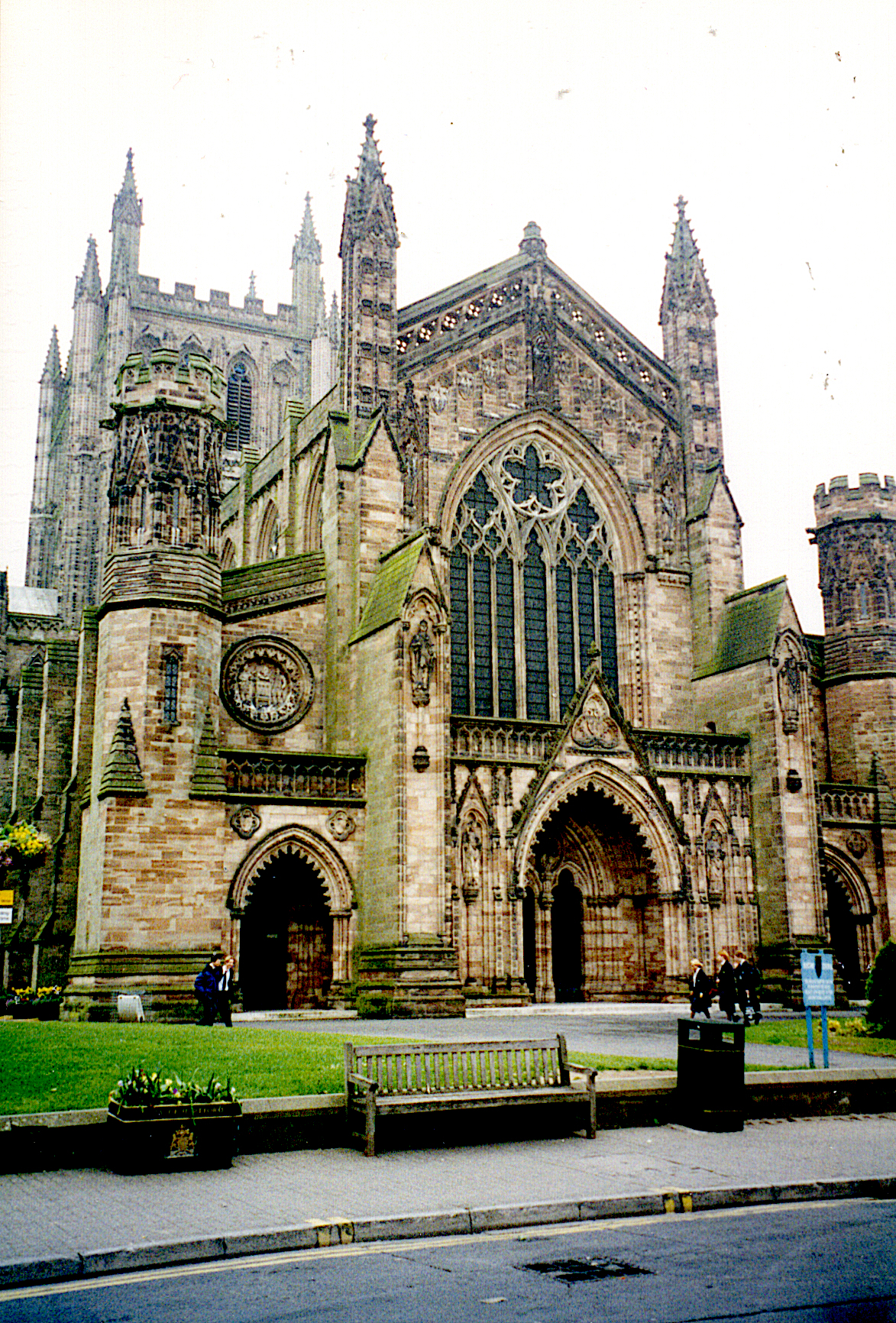
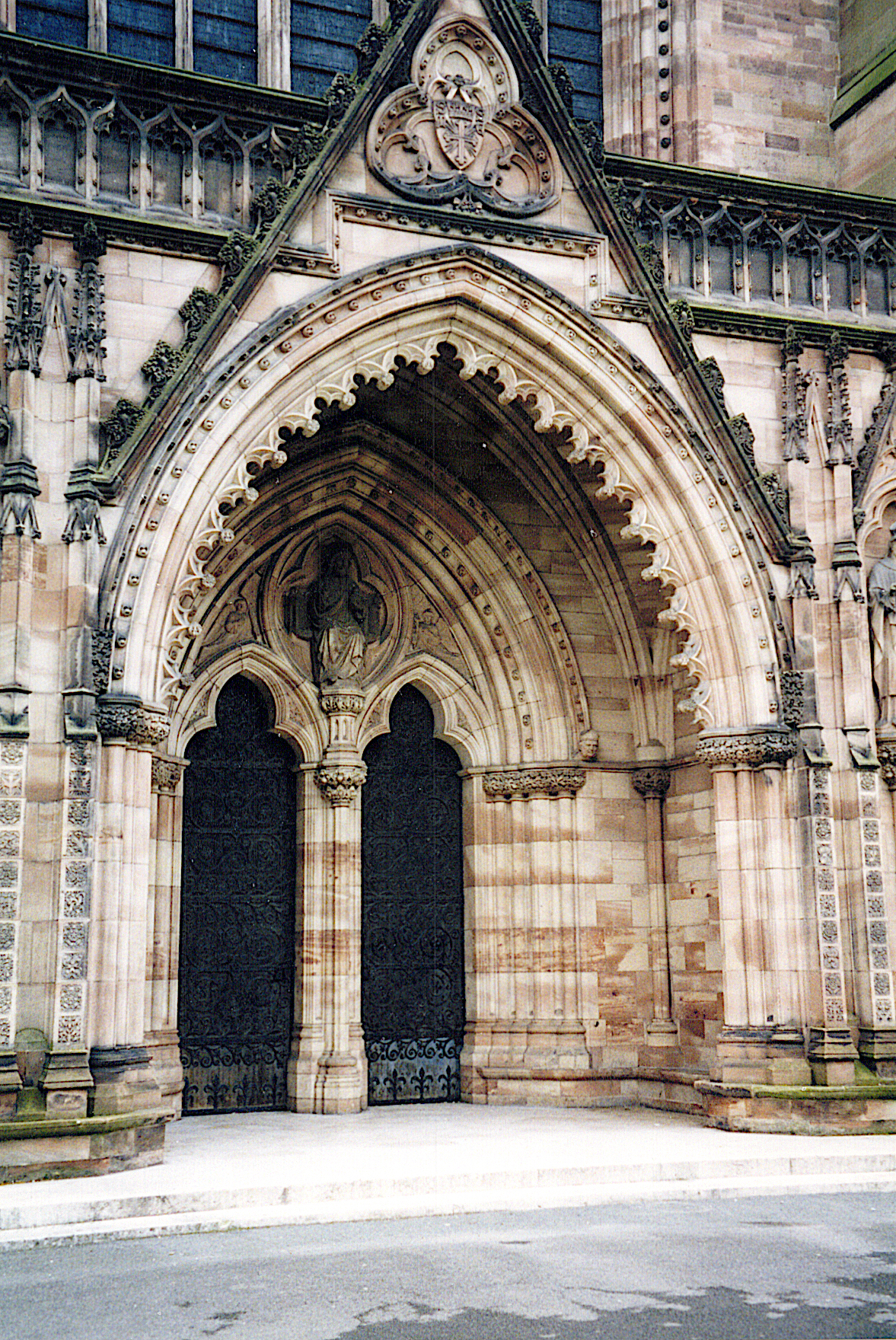
Hereford Cathedral A place of worship since the 8th century, with Saxon and Norman history. Beautiful Gothic interiors and exteriors. Well worth a visit.
Part II: The Lake District (Next) Part IV: Scotland, The Highlands Part VI: London |